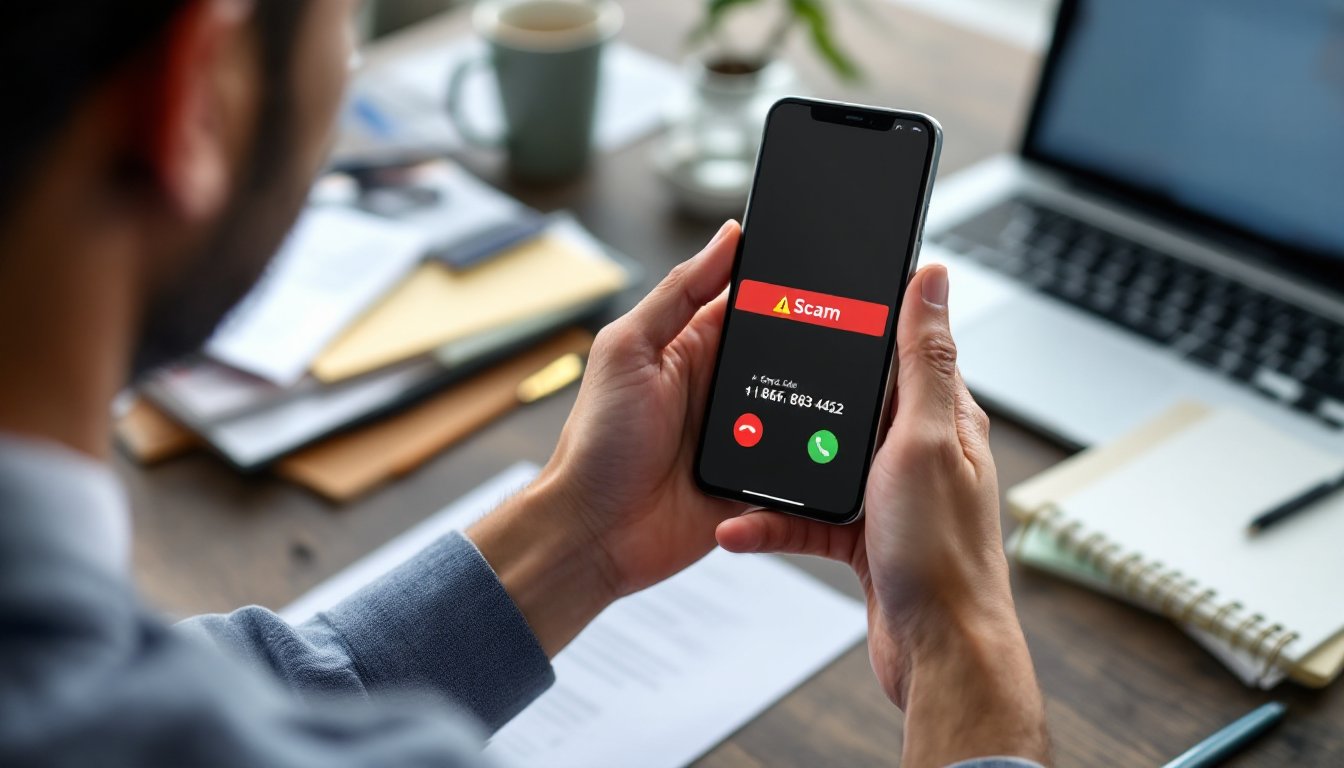
A lone string of digits like 3036309845 can throw up more questions than answers. Is it a securities identifier, a bank account, a telephone number, or simply an internal reference? For market researchers, accountants, and investors, misclassifying such numbers can lead to wasted time, reporting errors, or, worse, compliance problems. This guide walks through common identifier types, pragmatic verification tools, safe tracing steps, and accounting implications so you can identify 3036309845 with confidence and minimal risk.
Table of Contents
ToggleWhat Could 3036309845 Represent? Common Types Of Numeric Identifiers
Numerical strings like 3036309845 appear in many contexts. Before hunting down databases, map plausible categories so you don’t chase the wrong lead.
-
Financial security identifiers: These include ISINs, CUSIPs, SEDOLs, and internal broker or exchange IDs. Most standardized identifiers have fixed formats, CUSIPs are nine characters (often alphanumeric), ISINs are 12 characters starting with a country code, so a plain 10-digit number may or may not match.
-
Bank account or routing numbers: Domestic account numbers vary widely by country and bank: routing/ABA numbers in the U.S. are nine digits, while IBANs combine country codes and variable-length strings. A 10-digit sequence could be an account number in some banking systems.
-
Phone numbers: In many countries, local numbers fall into 7–10 digits. 3036309845 resembles a North American 10-digit number, potentially a U.S. or Canadian phone with area code 303 (Denver region). But numbers stored without punctuation might also be identifiers rather than contact numbers.
-
Internal reference or invoice numbers: Companies often issue sequential references that are purely numeric. These lack global registries and must be traced back to the issuer.
-
Government or tax IDs: Some jurisdictions use 10-digit taxpayer or national IDs. Verifying origin requires jurisdiction-specific checks.
-
Barcodes, serials, or asset tags: Equipment and inventory numbering can look similar: again, these are issuer-specific.
How to triage: look for context clues, where you found 3036309845 (email, statement, database export), associated labels (“Acct:”, “Ref:”, “Phone:”), and formatting. That first small step narrows which verification tools you should use next.
How To Determine If 3036309845 Is A Financial Security Identifier
Financial identifiers follow rules. If 3036309845 was seen on a trade blotter, a confirmation, or a custodial report, treat it as a potential security ID and verify carefully.
First-pass checks:
- Check format: Many regulated identifiers include letters or check digits. A pure 10-digit string is uncommon for global ISIN/CUSIP conventions but could be an internal exchange or security number.
- Inspect surrounding metadata: Ticker symbols, issuer names, currency, or exchange codes nearby increase the odds it’s a security identifier.
- Time and provenance: Daily trade systems and clearinghouses tend to use standardized IDs. An isolated number in a PDF invoice is less likely.
If it looks plausible, don’t guess, verify with authoritative sources. The following sub-section lists the most useful tools and databases.
Tools And Databases To Verify Security Identifiers
Here are reliable resources to confirm whether 3036309845 is a security identifier:
Global and regional identifier services
-
ISIN search tools: Providers like the [International Organization for Standardization] sell or list ISIN allocations, but many broker-dealers and data vendors expose ISIN lookup in their platforms.
-
CUSIP Global Services (CGS): CUSIPs are primarily for U.S. and Canadian securities. If you have access via a broker, custodian, or subscription service, search CGS for matches.
-
SEDOL and other national pools: For securities issued in the UK and other markets, SEDOL or national numbering agencies may help.
Market data providers and terminals
-
Bloomberg, Refinitiv, S&P Capital IQ: These terminals accept numeric or alphanumeric queries and will return matching instruments and mapping tables. If your organization has access, paste 3036309845 and see whether it resolves.
-
Exchange websites: National exchanges often maintain searchable listings for listed securities. Use the issuer or ticker context if you have it.
Public and free resources
-
EDGAR and national regulators: For U.S. securities, the SEC’s EDGAR database can help cross-check filings for numbers appearing in exhibit indexes or internal systems.
-
Data aggregators: Websites such as OpenFIGI let you map identifiers across schemes. These tools often require more than a raw number but are useful for mapping once you have a candidate identifier.
Practical tip
Identifiers sometimes travel in truncated or reformatted forms. Try variants (leading zeros, insertion of hyphens, or appended check digits) when searching. Record each unsuccessful lookup as part of your audit trail to show due diligence, especially important for compliance reviews.
When 3036309845 Is A Phone, Account, Or Reference Number: Safe Tracing Steps
If your triage suggests 3036309845 is a phone or account/reference number rather than a security ID, follow safe, privacy-respecting tracing steps.
- Respect privacy and regulation
- Don’t publish or broadcast personal or account data. In many jurisdictions, attempting to reverse-search or contact an account owner without consent can breach privacy or financial rules.
- Use context-based checks
-
Phone: If the number appears where contact info is expected, run a simple, low-risk check, call from a corporate line during business hours, or use a reputable lookup service that flags spam or business listings. Note area code 303 suggests Denver CO: validate this against known parties.
-
Bank account/reference: If the number sits on an invoice, reconcile it against your payable/receivable records. Contact the issuing organization’s official support channel (not contact details supplied in potentially fraudulent messages) to confirm.
- Authenticate before sharing
- When a third party asks you to trace or pay against 3036309845, require an authoritative invoice, a contract reference, or an ACH authorization. Rely on signed documentation or confirmation from the payer’s bank using known channels.
- Log every step
- Maintain a trace log: where you found the number, who asked for action, what checks you ran, and outcomes. This creates an audit trail useful for internal reviews or regulators.
- When in doubt, escalate
- If the number is tied to a high-value or unusual request, involve compliance, legal, or the payments team. A short delay for verification beats a long fraud investigation later.
Accounting And Investment Implications Of An Unidentified Numeric Reference
An unidentified number like 3036309845 can create friction across accounting, audit, and investment processes.
-
Reconciliation issues: Unmatched transactions impede month-end close and can misstate cash or receivables. If 3036309845 appears on a bank statement without a clear remittance advice, apply standard unapplied cash procedures: hold in suspense, request remediation from the counterparty, and document the status.
-
Valuation and custody risk: For investment recordkeeping, mislabelled securities can cause mismatches between ledger holdings and custodial records. If 3036309845 might be a security ID, treat holdings as tentative until the identifier is confirmed and update ledger references once validated.
-
Compliance and reporting: Regulators expect firms to maintain accurate provenance for trades and payments. Unidentified references can trigger internal investigations or queries from auditors. Show evidence of searches, communication attempts, and escalation decisions.
-
Fraud exposure: Malicious actors exploit ambiguous numeric references, sending fake remittance advice or changing payment routing. Segregate duties so those authorizing payments aren’t the same people reconciling bank statements, and use multi-factor approval for unusual transactions tied to obscure references.
-
Tax and audit readiness: Keep an audit trail. If 3036309845 later maps to a taxable event or asset, having documentation reduces discovery friction and potential penalties.
Practical Checklist: Next Steps For Market Researchers, Accountants, And Investors
Use this compact checklist when you encounter 3036309845 or similar ambiguous numbers.
-
Step 1: Capture provenance
-
Record where you found the number, time/date, document type, and any adjacent labels or metadata.
-
Step 2: Quick triage
-
Look for labels (Acct, Ref, Phone, ISIN, CUSIP), check format, and scan context to prioritize verification channels.
-
Step 3: Verify with appropriate tools
-
For securities: query Bloomberg/Refinitiv/OpenFIGI/CUSIP services.
-
For phone numbers: perform a cautious lookup or a controlled call if necessary.
-
For bank references: verify via official payer channel or bank-issued remittance confirmation.
-
Step 4: Document searches
-
Keep screenshots and query results: log failed lookups as evidence of due diligence.
-
Step 5: Apply internal controls
-
Hold payment or clearance until validated for significant amounts: require dual authorization.
-
Step 6: Escalate when unclear
-
If you can’t resolve the origin within a reasonable timeframe, escalate to compliance, legal, or senior accounting.
-
Step 7: Clean up records
-
Once identified, update internal mapping tables and include a human-readable label next to 3036309845 so future lookups are faster.
-
Step 8: Feed back into systems
-
Consider adding rules in ERP or CRM to auto-flag similar orphaned numeric references to reduce recurrence.
These steps reflect practical controls commonly recommended on market research and accounting sites like [commonwealth-group.net], where maintaining traceability between identifiers and records is central to good governance.
Conclusion
3036309845 could be many things, security ID, account, phone, or internal reference. The fastest path to clarity is methodical: capture context, triage format, verify with the right databases, and document every step. For accountants and investors, conservative controls and clear escalation policies protect the books and reputations. When resources are limited, prioritize traceability and evidence of due diligence: it’s often what auditors and regulators ask for first.