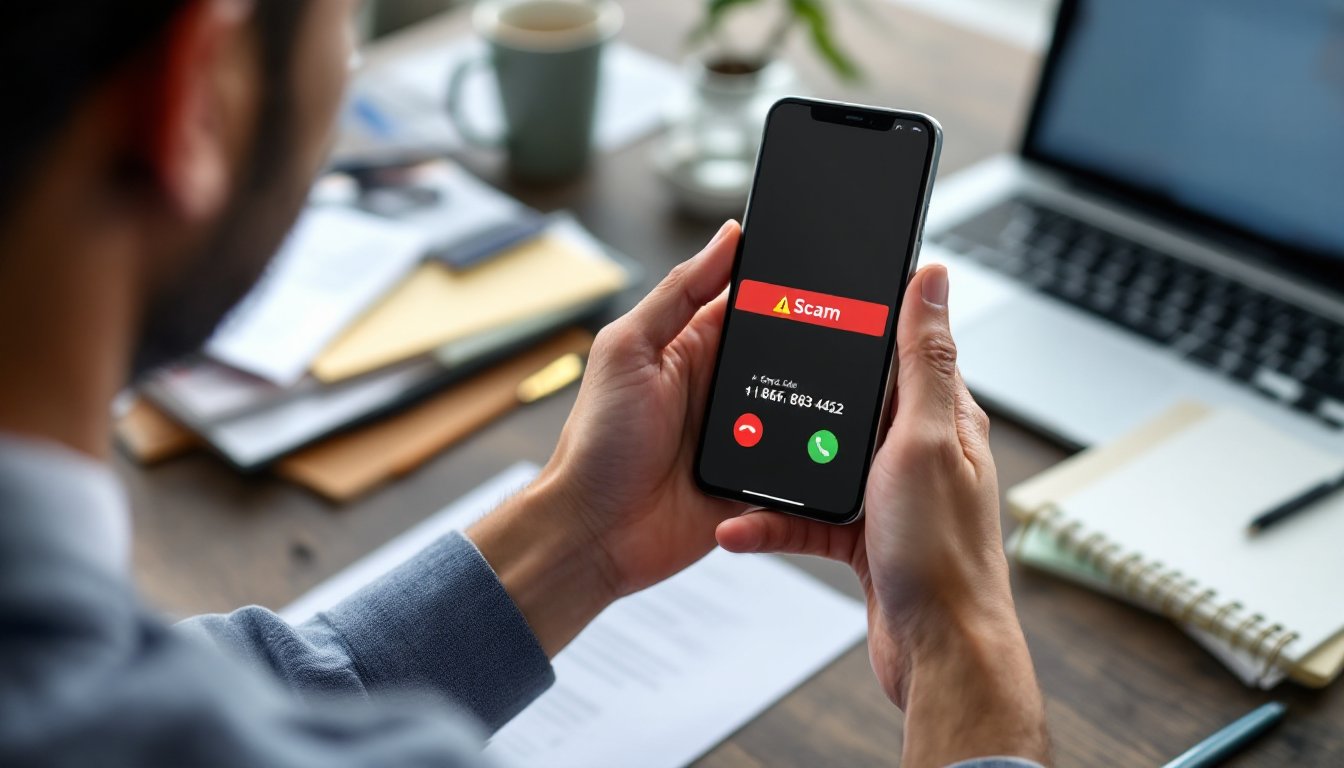
A single unfamiliar number, 678-487-8581, can spark curiosity, annoyance, or alarm. Whether you saw the call on your phone, a ledger, or a client statement, the first questions are the same: who called, is it legitimate, and what should I do next? This guide walks through public records and user reports, practical verification steps, common scam signals, and concrete actions for individuals and businesses. It’s focused, non-technical, and designed for readers who need fast, usable answers in 2026.
Table of Contents
ToggleWhat We Can Learn About 678-487-8581 From Public Records And Reports
When investigating any phone number like 678-487-8581, public records and crowdsourced reports are the quickest way to assemble a profile. First, check complaint aggregators and reverse-lookup directories to see whether the number appears in consumer reports. These platforms often reveal whether the number is tied to telemarketing, debt collection attempts, VoIP providers, or single-incident nuisance calls.
Carrier and telecom registries can’t always be accessed directly by the public, but tools that pull carrier attribution (landline, mobile, or VoIP) help set expectations. For example, a VoIP listing suggests callers can easily spoof or rotate caller IDs, while a fixed-line business listing is likelier to be stable and traceable.
Public business registries and local filings sometimes include contact numbers for registered entities. If 678-487-8581 shows up in a business registry, cross-check the company name, address, and any filings for consistency. Mismatches, like a New York address for an Atlanta area code, are red flags.
Finally, user reports on community forums, consumer protection sites, and social platforms provide anecdotal patterns: times of day the calls arrive, scripts used, and whether respondents were pressured for payments or personal data. Combine these reports with formal sources to form a reliable initial assessment before acting.
How To Verify A Phone Number: Tools, Databases, And Technical Checks
Verifying 678-487-8581 requires a mix of free tools and a couple of paid checks when higher confidence is needed. Start with a reverse lookup: enter the number into reputable directories to see attached names, carrier data, and historical notes. Cross-check any returned name against business registration data or LinkedIn profiles for consistency.
Next, check carrier and routing information. Online services can reveal whether the number is hosted by a major carrier or a VoIP aggregator: a VoIP label increases the chance of spoofing. Also query local caller-ID apps that maintain crowdsourced reputations, they often show whether the number has been marked spam or scam by many users.
If you need authoritative confirmation (for legal or accounting reasons), use a paid phone-intelligence provider that offers call records, line-owner validation, and carrier-of-origin. These services are commonly used by investigators and compliance teams because they provide timestamped documentation.
Technical checks can include looking for inconsistent call patterns (many short calls to many recipients), reverse DNS for SIP providers, or requesting a test call while recording metadata, always follow local laws on recording. For most people, the combination of reverse lookup, carrier label, and multiple independent user reports will be enough to classify the number.
Step-By-Step Reverse Lookup Using Free And Paid Services
-
Start free: plug 678-487-8581 into Google, major reverse-lookup pages, and caller-ID apps to gather names and user notes. Note timestamps on any matching complaints.
-
Cross-reference business registries and social profiles. If a business name appears, verify the address and business status through local secretary-of-state databases.
-
Use a carrier lookup tool to see whether the line is VoIP or a traditional carrier. Free tools give a basic label: paid services provide historical porting data.
-
If you need documented proof, purchase a detailed report from a phone-intelligence vendor. These reports can confirm line ownership, call routing, and provide evidence suitable for reporting to authorities or a client.
-
Keep records: save screenshots, transcription of call scripts, and timestamps. This collection will be invaluable if you escalate to regulators, your bank, or law enforcement.
Common Scam Patterns And Red Flags To Watch For With Unknown Numbers
Unknown numbers often follow predictable scam patterns. Familiarizing yourself with these red flags helps you spot fraud quickly:
- Urgent pressure: callers create a false emergency and demand immediate payment or access to online accounts.
- Requests for remote access: any insistence that you install remote-desktop software to ‘fix’ a problem is a major warning.
- Payment via unconventional channels: gift cards, cryptocurrency, or wire transfers instead of traceable invoices or ACH.
- Caller-ID manipulation: a number that appears local but doesn’t match public records is suspicious.
- Asking for sensitive data: social security numbers, bank PINs, or two-factor authentication codes.
Scammers also test numbers to see which are active: short, silent calls or voicemail-less hang-ups can indicate your number is a live target. Keep an eye on pattern frequency, repeated calls from the same number, especially during business hours, often indicate a robocall campaign rather than a one-off misdial.
Trust your instincts: if something feels scripted or too urgent, treat the call as suspicious until proven otherwise.
Real-World Examples And Reported Incidents For Similar Numbers
Numbers with the 678 area code have been used in reported spoofing schemes targeting small businesses and consumers: the scripts typically impersonate banks, tax agencies, or vendors. One recurring pattern: the caller claims a missed payment or unpaid invoice and pressures the recipient to “stop collections” by paying immediately.
In other cases, VoIP-hosted lines rotate rapidly between fake caller IDs, making a robust caller history difficult to build. Community forums often contain multiple short reports describing identical scripts and payment requests, that repetition is a reliable indicator of organized fraud.
For entrepreneurs and accountants, scams often arrive disguised as vendor inquiries or compliance notices that seek access to client data or bank routing information. These attempts can look highly plausible because they borrow real company names and correct-sounding terminology. Verify any unexpected financial requests against known contacts and payment records before sending funds or data.
Practical Next Steps: How To Respond, Report, And Protect Yourself
If 678-487-8581 calls you, follow a safe, practical sequence:
- Don’t engage. If you answered and suspect fraud, hang up politely. The less information you provide (even confirming your name), the better.
- Verify independently. Call the company’s publicly listed number or contact your account manager through known channels. Never follow a number the caller gives you.
- Log evidence. Save call logs, record times, and note any account numbers or scripts used. If you captured a voicemail, back it up.
- Report the call. File complaints with your national consumer protection agency and telecom regulator. For U.S. businesses, reporting helps build cases against persistent callers and supports blocking efforts.
- Strengthen defenses. Use multi-factor authentication methods that don’t rely on SMS when possible, flag numbers in your business phone system, and add suspicious numbers to a blocklist.
If the call targeted finances or client data, notify affected clients and your bank immediately. For business contexts, escalate to your compliance or fraud team and document every step for potential audits or insurance claims.
Why This Matters For Businesses, Accountants, And Investors
A single suspicious number like 678-487-8581 can expose firms to reputational, financial, and regulatory risk. Accountants and firms handle sensitive client information and payment flows: a successful phone-based compromise can lead to wire fraud, account takeover, or client data exposure. Investors and CFOs should treat phone-channel security as part of operational risk management.
Small businesses are especially vulnerable because they often lack dedicated fraud teams. Staying current on scam patterns and documenting incidents lets you claim fraud protection with banks and supports insurance claims. For practical guidance specific to entrepreneurs, a recent small-business scam update explains the evolving tactics and recommended reporting pathways, it’s a useful reference when tailoring company policies and training programs for staff small-business scam update.
Simple steps, verification protocols, call logging, and staff training, significantly reduce exposure. Treat unknown calls with skepticism, and fold verified procedures for numbers like 678-487-8581 into your broader compliance checklist.