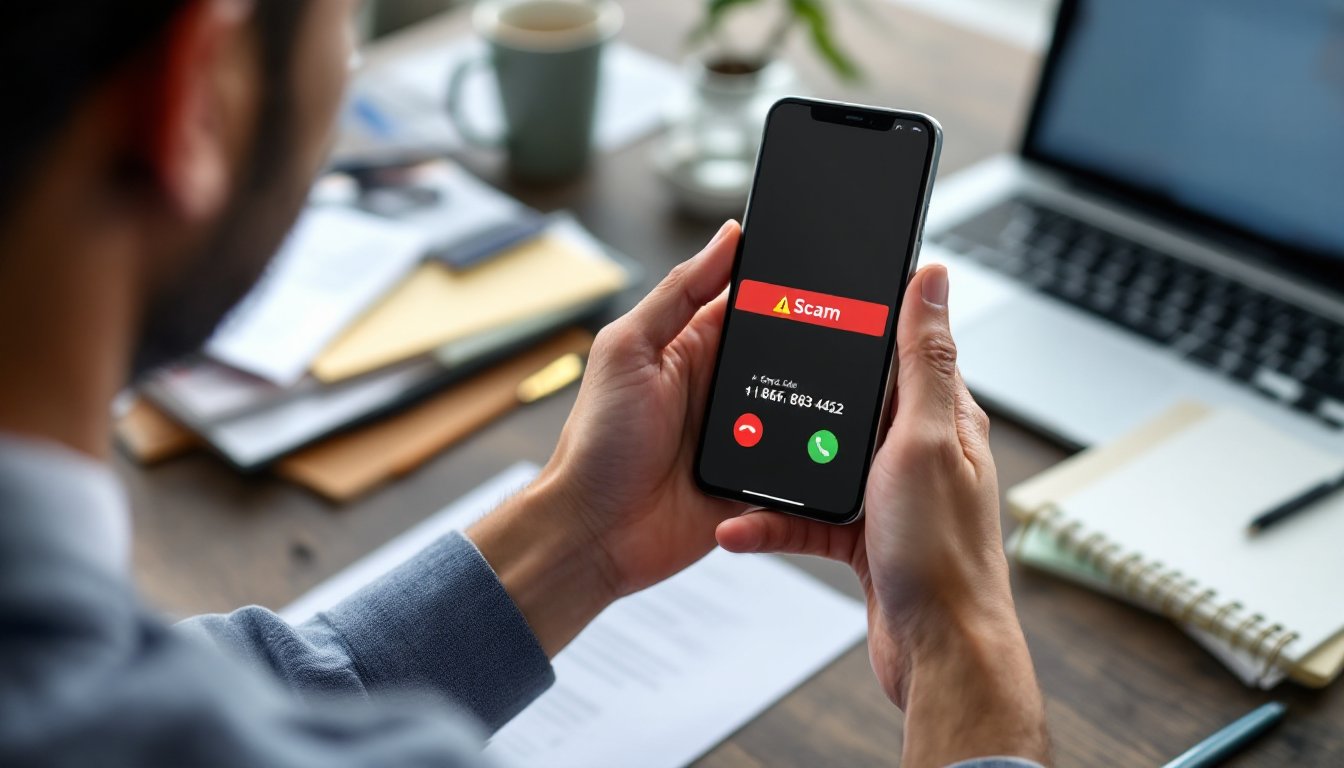
You answered a call from +1 (866) 883-4452 and now you want to know who was on the other end, legitimate agent, telemarketer, or scammer? Phone numbers with an 866 toll‑free prefix are commonly used by businesses, but that doesn’t guarantee trust. This guide walks you through quick identification, step‑by‑step verification, the best tools to research the number, common scams linked to toll‑free lines, and a pragmatic response plan if you were contacted. Read on to learn practical checks you can do in minutes and the next steps to protect your personal and financial information.
Table of Contents
ToggleQuick Summary: Reported Identity, Risk Level, And Why It Matters
Reported identity: Calls from +1 (866) 883-4452 are frequently reported by users as unfamiliar toll‑free contacts. Public complaint threads and call‑blocking services list this number in mixed categories, some label it as “business/telemarketing,” others flag potential spoofing. Because 866 is a toll‑free code widely used by legitimate companies, the number alone is not conclusive.
Risk level: Moderate. The number shows enough user reports to treat unsolicited calls cautiously but lacks a consistent pattern tying it to a single large fraud ring. The main danger is social‑engineering: callers claiming to be from banks, tax agencies, or subscription services trying to extract account details or payments.
Why this matters: Even one successful social‑engineering attempt can lead to account takeover or identity theft. For readers handling financial, investment, or accounting matters (the commonwealth-group.net audience), a single misplaced password, remote access grant, or wire transfer can have outsized consequences. That’s why quick verification and the right response plan matter, they reduce risk without turning every call into paranoia.
Practical takeaway: Treat the call as unverified until you confirm identity. Don’t give sensitive information on the call, and use the step‑by‑step checks below to validate the source before taking action.
How To Verify This Number Yourself: Step‑By‑Step Checks
-
Let it go to voicemail first. Legitimate companies usually leave a clear, professional voicemail stating who they are and why they called. If there’s no message or the message is vague, be skeptical.
-
Ask for identifying details without giving yours. If you answer, request the full company name, a callback number, and a reference or account number. Scammers often hesitate, give evasive answers, or pressure you to act immediately.
-
Call back using an independently obtained number. Don’t use the callback number the caller provides. Look up the company’s official contact on their verified website and call that line to confirm whether the call originated from them.
-
Search the phone number and exact caller words. Put the number in quotes in search engines and check user forums, the Better Business Bureau, and complaint boards. Searching the exact phrase the caller used (e.g., “immediate payment required”) can reveal known scripts used by scammers.
-
Check the caller identity with your accounts. If the caller claims to be your bank, log in to your bank account (not through links sent to you) or call the bank’s published number to verify any notices or holds. Never approve remote access or share one‑time passwords.
-
Use reverse lookup and carrier checks. Free reverse‑lookup services often show whether a number is associated with a business or marked as spam. For more authoritative carrier-level details, paid services can show routing, but they’re not necessary for most consumers.
-
Document the interaction. Note the time, caller name, script, and any numbers or emails they gave. This helps if you need to report the call to regulators or your financial institution.
Apply these checks in order: voicemail → request identification → independent callback → online search → account verification → documentation. That sequence minimizes risk while giving you clear evidence to act on.
Tools And Sources To Use For Phone Number Research
Free resources:
- Reverse lookup sites and apps: Use established caller‑ID apps and reverse lookup websites to see aggregated user reports and labels such as “spam” or “scam.” These are good for quick triage but not definitive proof.
- Consumer complaint databases: The Federal Trade Commission and your country’s consumer protection agency publish complaint data you can search to spot recurring patterns.
Paid or higher‑confidence options:
- Commercial lookup services: For professionals handling client funds, paid services provide carrier assignment, number history, and sometimes routing records that help distinguish legitimate business lines from spoofed calls.
- Your phone carrier: Some carriers offer enhanced fraud reporting tools and will block or trace suspicious calls if you report them.
Primary evidence sources (when warranted):
- Company support pages: If a caller claims to be from a specific firm, confirm contact details on that firm’s official support pages before returning a call. For example, company subscription support pages list official contact methods you can trust: this can be important if a caller claims to be handling billing. subscription support contact
How to weigh sources:
- Corroboration is key. If multiple independent sources label the number as spam or detail similar scam scripts, treat the number as high‑risk.
- One-off negative reviews aren’t conclusive. Some legitimate call centers also irritate customers and generate complaints. Use context from scripts and behaviors described in reports to judge intent.
Tip for professionals: For firms in accounting or investment, maintain a short internal checklist (official callback numbers, required account verification steps, and a reporting contact) so team members respond consistently to suspicious calls.
Common Scams, Tactics, And Red Flags Associated With 866 Numbers
Scammers exploit the familiarity of toll‑free numbers. Here are the most common tactics and the red flags to watch for:
Impersonation of institutions: Callers claim to be banks, tax authorities, or service providers and use urgency to push for payments or personal data. Red flags: threats of immediate legal action, requests for payment via gift cards or cryptocurrency, and refusal to let you verify through official channels.
Account verification ploys: Phrases like “confirm your social security number” or “confirm your account PIN” are bait to collect credentials. Red flags: insistence on verifying full numbers or sending one‑time codes via text that you then read aloud.
Warrant and arrest scams: A caller claims there’s a warrant unless you pay a “fine” immediately. Red flags: demand for instant payment methods and pressure to stay on the line.
Subscription and tech support scams: Caller claims you’ve been charged or your device is infected and asks for remote access or payment. Red flags: unsolicited remote‑access requests and demands for access to bank or credit card portals.
AI‑enhanced impersonation (increasingly common): Scammers use AI to mimic voices or craft hyper‑personalized scripts that reference public data. Recent reporting shows attackers are targeting private capital and financial clients more aggressively with identity theft and impersonation techniques, raising the stakes for anyone in finance or investment. AI‑enabled scammers
Why 866 numbers feel convincing: Toll‑free prefixes lend legitimacy, and spoofing techniques can make a call appear to come from a customer service line you recognize. Always rely on independent verification rather than the displayed number or caller tone.
If You Were Contacted: A Practical Response Plan And Next Steps
Immediate actions (first hour):
- Don’t provide more information. If you already gave information, document exactly what you shared.
- End the call and call back through an official number found independently. If the caller claimed to be your bank or a vendor, use the number on the company’s website or your account statement.
If you gave credentials or received a one‑time code:
- Change passwords immediately and enable two‑factor authentication where possible.
- Contact the institution’s fraud department using a verified number and notify them of the potential compromise.
If you sent money or authorized a transfer:
- Contact your bank or payment provider at once and request an emergency reversal. Time matters. Banks have procedures for disputed transfers and may be able to freeze funds if you act quickly.
Reporting and follow‑up:
- Report scams to local authorities, consumer protection agencies, and your carrier. Filing a complaint helps regulators spot trends and may aid recovery.
- Place fraud alerts or credit freezes if personal identifiers (SSN, financial account numbers) were shared.
Preventive steps for the future:
- Add suspicious numbers to your phone’s block list and use a reputable caller‑ID app that aggregates user reports.
- Train staff and family: run short, practical drills that practice refusing remote access, verifying callers, and escalating suspicious requests to a designated person.
Professional note for finance/accounting teams: treat any call requesting wire transfers or changes to payment instructions as high‑risk. Carry out a policy requiring independent, in‑person or voice‑verified approval from an authorized signer before executing transfers.
Conclusion
Calls from +1 (866) 883-4452 should be treated as unverified until you confirm the caller’s identity through independent channels. Use voicemail triage, independent callbacks, documented searches, and the verification tools above before sharing sensitive information. If you’ve already engaged, act quickly: secure accounts, notify institutions, and report the incident. Small, disciplined steps reduce the chance that a single unwanted call becomes a costly breach.