
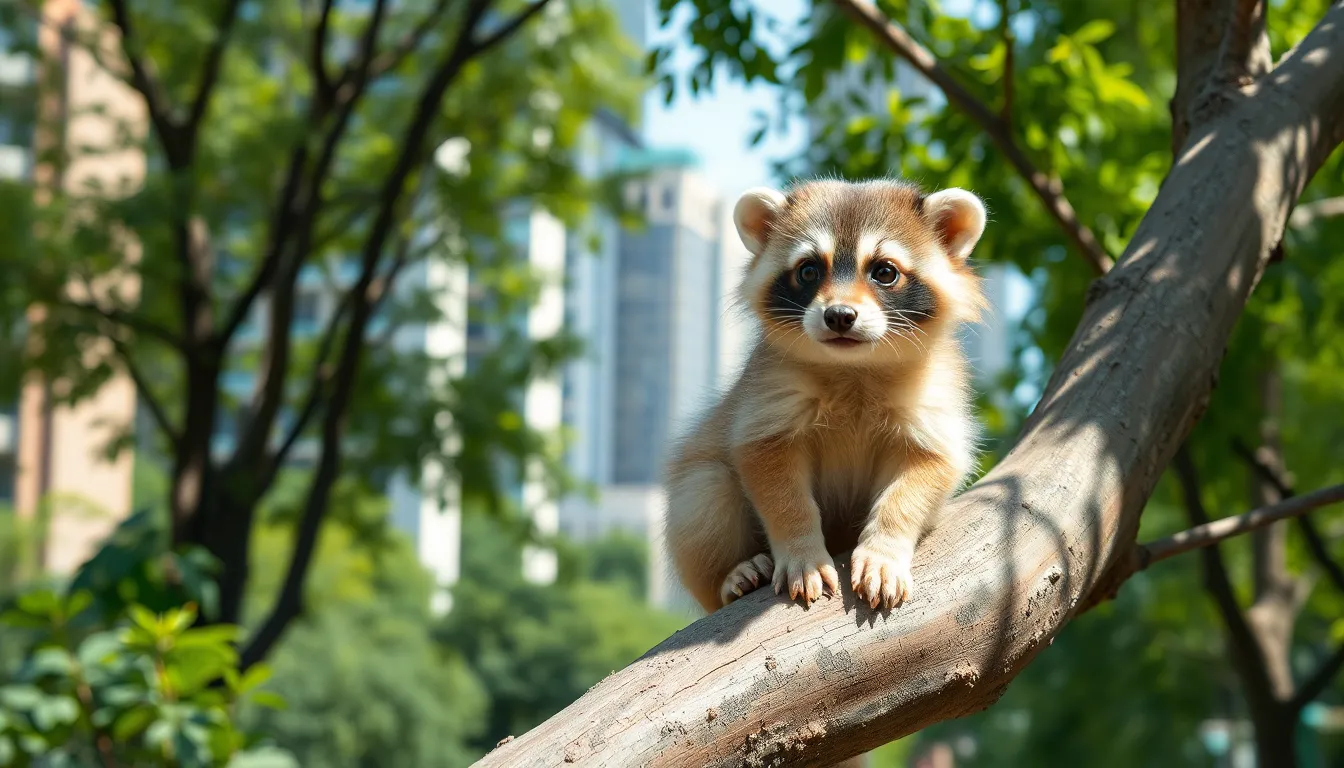
In a world where quirky creatures often steal the spotlight, potosterums are the unsung heroes of the animal kingdom. These delightful beings, with their peculiar habits and charming antics, bring a touch of whimsy to nature. Imagine a creature that’s part playful puppy and part mischievous raccoon—now that’s a potosterum for you!
Overview of Potosterums
Potosterums represent a unique group within the animal kingdom, often celebrated for their delightful charm. These creatures exhibit behaviors similar to both playful puppies and inquisitive raccoons. They thrive in diverse habitats, adapting to various environments whether in forests or urban settings.
Appearance captures attention easily; potosterums possess soft fur, often displaying a mix of earthy tones. Eyes sparkle with curiosity, adding to their endearing presence. Small but agile, these creatures can navigate through intricate spaces, showcasing their playful nature.
Diet consists mainly of fruits, insects, and occasional small vertebrates. Foraging behaviors reveal their resourcefulness as they explore their surroundings in search of food. Social interactions also play a crucial role in their lives; potosterums exhibit strong bonds within groups.
Reproduction occurs once a year, with females typically giving birth to two to four young ones. Maternal care is significant during the early stages, ensuring the safety and survival of the offspring. As they grow, young potosterums learn essential skills from their mothers, preparing them for independent life.
Potosterums face threats from habitat destruction and climate change, impacting their populations. Conservation efforts now aim to protect these charming creatures, emphasizing the importance of preserving their natural habitats. Community awareness can enhance support for initiatives focused on maintaining potosterum populations.
Characteristics of Potosterums
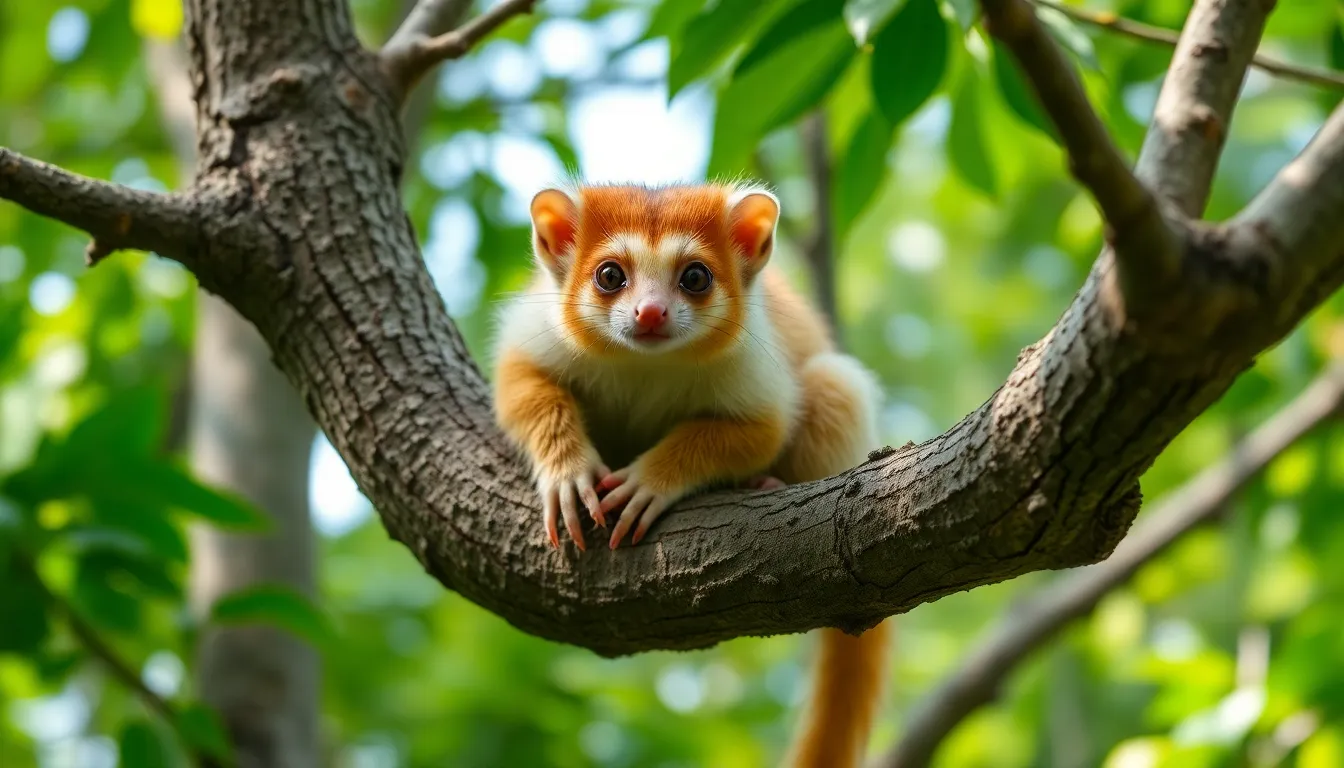
Potosterums exhibit distinctive traits that make them fascinating creatures. Their physical and behavioral characteristics contribute to their unique appeal.
Physical Features
Soft fur in earthy tones covers their small bodies, providing camouflage in diverse habitats. Curious eyes stand out, giving potosterums an expressive appearance. Adaptability is reflected in their agile build, allowing navigation through intricate spaces. Small yet nimble bodies enhance their ability to climb trees and explore urban environments. Each potosterum typically measures around 18 to 24 inches in length, with a balanced weight of 5 to 10 pounds. Sharp claws aid in climbing and foraging, while their keen sense of smell supports food discovery.
Behavioral Traits
Social interactions play a crucial role in potosterum life. Groups often engage in playful activities, showcasing their playful nature. Communication occurs through a range of vocalizations, helping them maintain group cohesion. Resourcefulness defines their foraging habits, as they efficiently search for fruits, insects, and small vertebrates. Each individual displays curiosity, often investigating new stimuli in their surroundings. Annual reproduction results in litters of two to four, with mothers providing extensive care and nurturing to their young. Adaptability shines in their ability to thrive in both wooded and urban locations.
Habitat and Distribution
Potosterums inhabit a variety of environments, showcasing their remarkable adaptability. These creatures thrive in temperate and tropical forests, where dense vegetation provides ample cover and resources. Urban areas also attract potosterums, as they easily navigate human landscapes in search of food and shelter.
Geographically, potosterums are primarily found in regions of North America, Southeast Asia, and parts of South America. Distribution often aligns with available food sources, making areas rich in fruits and insects particularly appealing. Their range extends from coastal areas to mountainous regions, indicating their flexible survival strategies.
Habitat preferences include areas with plenty of trees, as their climbing skills are crucial for foraging. Proximity to water sources contributes to their thriving populations, supporting a diverse diet. In urban settings, potosterums frequently utilize parks and gardens, where they encounter fewer threats and more food opportunities.
Environmental changes pose risks to potosterum habitats. Deforestation and urban development lead to habitat fragmentation, limiting their living space. Despite these challenges, potosterums exhibit resilience, often adapting their behavior to new surroundings. Conservation efforts remain essential to protect these captivating creatures and their habitats, ensuring sustainable populations for future generations.
Overall, potosterums demonstrate a unique ability to thrive in varied conditions, making them intriguing residents of both wild and urban spaces.
Importance of Potosterums
Potosterums play a significant role in their ecosystems, influencing both the environments they inhabit and the species they interact with.
Ecological Role
These creatures act as important seed dispersers, promoting plant growth and biodiversity. By consuming fruits and excreting seeds, potosterums contribute to forest regeneration. Insects form a main component of their diet, helping to control insect populations and maintain ecological balance. Their foraging habits aerate soil, enhancing nutrient distribution. Healthy potosterum populations aid in sustaining diverse ecosystems, showcasing their vital ecological impact.
Cultural Significance
Potosterums capture the imagination of many cultures through folklore and art. Often described as playful and curious, they inspire stories that highlight adaptability and resourcefulness. In urban settings, potosterums draw attention, fostering community interest in wildlife conservation. Additionally, these creatures symbolize the charm of nature, reminding people of the whimsical aspects of the animal kingdom. Their presence encourages appreciation for biodiversity, influencing conservation efforts and enhancing local culture.
Conservation Status
Potosterums face several challenges that impact their conservation status. Habitat loss due to deforestation and urban development significantly threatens their populations. Various environmental changes lead to habitat fragmentation, affecting their ability to find food and shelter.
In regions where potosterums thrive, such as North America, Southeast Asia, and parts of South America, human activities disrupt their natural habitats. Urban areas, while allowing for some adaptability, often lack the resources needed for sustainable potosterum populations. Conservation organizations emphasize the need for habitat protection to ensure their survival.
Data from wildlife studies indicate that potosterums play crucial roles in their ecosystems. As seed dispersers, they promote plant growth, which helps maintain biodiversity. Their foraging habits not only aerate soil but also contribute to ecological stability.
Conservation efforts focus mainly on safeguarding critical habitats and enhancing connectivity between fragmented areas. Initiatives include reforestation projects and urban wildlife corridors, which help potosterums access necessary resources. Education about their ecological importance fosters community support for these efforts.
Current conservation statuses vary across regions, with some populations being more stable than others. Regular monitoring of potosterum populations helps identify trends and address potential threats quickly. Collaboration among conservationists, governments, and local communities maximizes the effectiveness of these initiatives.
Potosterums are captivating creatures that enrich their ecosystems and inspire admiration. Their adaptability allows them to thrive in diverse environments while playing crucial roles in seed dispersal and pest control. As urbanization and habitat loss threaten their populations, the importance of conservation efforts cannot be overstated. Protecting their habitats ensures that future generations can enjoy the charm and ecological benefits potosterums provide. By fostering appreciation for these delightful animals, communities can contribute to their preservation and the overall health of our natural world.

