In the quirky world of botany, potosterums are the unsung heroes that deserve a spotlight. Imagine a plant that’s not just a pretty face but also a conversation starter—potosterums fit that bill perfectly. With their vibrant colors and unique shapes, these botanical wonders can turn any dull corner into a lively oasis.
Overview of Potosterums
Potosterums belong to a diverse family of plants that captivate enthusiasts with their intricate patterns and lush foliage. These plants thrive in various environments, demonstrating adaptability that makes them suitable for indoor and outdoor settings. Colors can range from deep greens to striking reds, enriching gardens and interiors alike.
Unique shapes characterize potosterums, with varieties featuring broad leaves or slender stalks. This diversity allows them to fit seamlessly into different decor styles, appealing to both minimalist and eclectic tastes. They also encourage creativity in plant arrangements, offering numerous possibilities for personal expression.
Certain species of potosterums exhibit resilience against common pests, making them low-maintenance choices for gardeners. Their robust nature allows them to flourish even with minimal care. Ideal for busy individuals, these plants contribute to a vibrant atmosphere without demanding excessive attention.
Different potosterum types attract specific pollinators, promoting biodiversity in gardens. Bees and butterflies often visit these plants, enhancing their ecological significance. Cultivating potosterums can create a more inviting space, benefiting both humans and animals.
Some potosterum varieties possess air-purifying qualities, improving indoor air quality. These plants contribute positively to health by filtering toxins and releasing oxygen. Integrating potosterums into living spaces can foster a more rejuvenating environment.
With their captivating characteristics, potosterums stand out in the plant world. They serve as more than mere decorations; they bring joy and vitality to any setting. Engaging with potosterums opens doors to a deeper appreciation for the plant kingdom.
Biological Characteristics
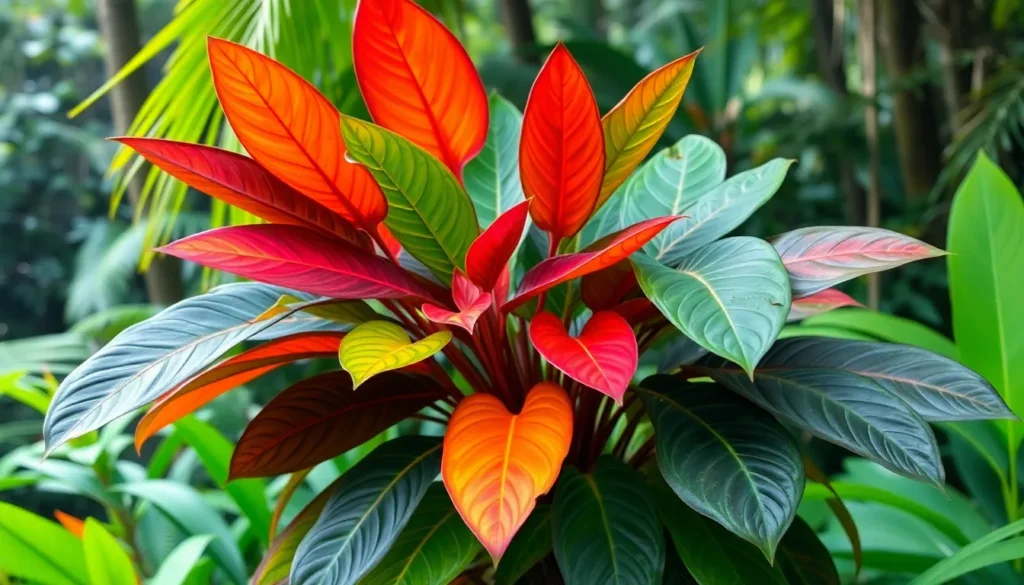
Potosterums exhibit diverse biological traits that enhance their value in various ecosystems. Their adaptability and distinct features play key roles in their ecological success.
Habitat and Distribution
Potosterums thrive in a range of habitats, from tropical rainforests to arid regions. They flourish in warm climates, with many species found across South America, Africa, and Asia. Moisture-rich environments promote their growth, while some species can tolerate dry conditions. Their widespread distribution highlights their resilience and ability to adapt as they colonize different areas. Gardeners often select potosterums for various climates, benefiting from their versatile nature.
Physical Appearance
Potosterums display vibrant colors, with foliage exhibiting a spectrum from deep greens to vivid reds. Leaf shapes vary dramatically, encompassing broad, flat leaves and finely textured, elongated forms. Stalks range from slender to robust, providing structural support and enhancing their aesthetic appeal. Patterns on the leaves add to their visual interest, often featuring striking variegation. Overall, the combination of these features makes potosterums attractive additions to gardens and indoor spaces.
Ecological Importance
Potosterums play a critical role in maintaining ecological balance. They provide essential habitat and food sources for numerous organisms while contributing to overall biodiversity.
Role in Ecosystems
Potosterums serve as vital components in various ecosystems. They stabilize soil, preventing erosion and promoting nutrient cycling. Many species excel in their ability to retain moisture, aiding surrounding flora. With their expansive root systems, potosterums support soil structure, enhancing overall ecosystem health. They also help regulate microclimates, creating suitable conditions for other plant life.
Interactions with Other Species
Potosterums engage in intricate interactions with various species. Many attract specific pollinators, such as bees, benefiting both the plants and the pollinators. Other organisms, including insects and birds, find shelter among their foliage, establishing crucial food webs. Additionally, certain potosterum species can inhibit the growth of invasive plants, promoting native biodiversity. Their contributions extend beyond mere aesthetics, solidifying their significance in the ecological landscape.
Potential Uses and Applications
Potosterums have diverse applications across various fields, ranging from health to agriculture.
Medicinal Properties
Certain potosterum species offer promising medicinal benefits. Compounds found in their leaves exhibit anti-inflammatory and antioxidant properties. Researchers examine these plants for potential uses in traditional medicine. Extracts derived from potosterums may aid in treating digestive issues and skin conditions. Additionally, they show potential in boosting overall immune health. Various cultures recognize the therapeutic qualities of potosterums, integrating them into natural healing practices. Modern studies aim to quantify these benefits, confirming their efficacy in herbal remedies.
Agriculture and Horticulture
Potosterums also play significant roles in agriculture and horticulture. They improve soil health by enhancing nutrient availability and promoting beneficial microbial activity. Certain species act as effective companion plants, repelling pests and attracting pollinators. This biophilic design strategy encourages biodiversity while improving crop yields. Their unique foliage provides aesthetic value, making potosterums popular in ornamental gardening. Farmers incorporate potosterums into crop rotations to enhance sustainability practices. Overall, these plants contribute positively to agricultural ecosystems.
Potosterums are a remarkable addition to both gardens and indoor spaces. Their vibrant colors and diverse shapes not only enhance visual appeal but also promote ecological balance and biodiversity. With their ability to thrive in various environments and low-maintenance nature, they cater to both seasoned gardeners and busy individuals alike.
These plants offer more than just beauty; they play a vital role in supporting local ecosystems and improving air quality. As awareness of potosterums continues to grow, their potential in health and agriculture becomes increasingly apparent. Embracing potosterums can lead to a deeper appreciation for the rich diversity of the plant kingdom and its many benefits.