
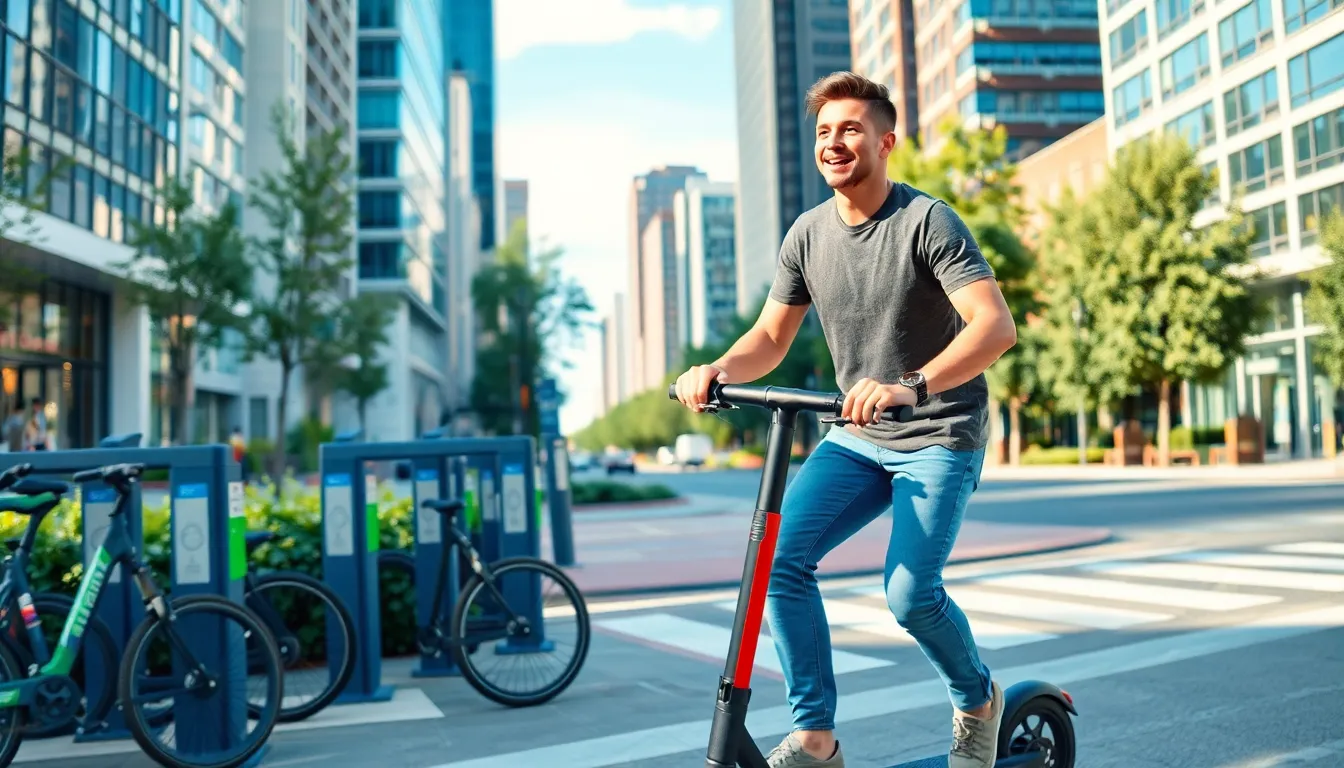
In a world where gas prices soar and traffic jams feel like a scene from a slow-motion movie, scooters have emerged as the superheroes of urban transport. Imagine zipping through the streets, wind in your hair, and a smile on your face—all while your wallet stays happy. Investing in scooters isn’t just about hopping on a trendy ride; it’s about embracing a lifestyle that’s eco-friendly and wallet-friendly.
Understanding Scooter Investment
Scooter investment presents an opportunity in the growing market of urban mobility solutions. Investors can explore various options within the scooter sector.
Types of Scooter Investments
Investors engage in several scooter investment types. Electric scooters represent one popular option, appealing to eco-conscious consumers. Sharing platforms also attract interest, allowing individuals to capitalize on the growing demand for shared mobility. Additionally, companies producing parts and accessories play a crucial role in the market, offering investment possibilities for those interested in supporting the scooter ecosystem.
Market Trends and Growth Potential
Market trends indicate significant growth potential in the scooter industry. The worldwide electric scooter market is projected to reach $41 billion by 2027, driven by technological innovations and increasing urbanization. Consumer preferences are shifting towards sustainable transportation solutions, enhancing the appeal of scooters. Emerging markets, especially in Asia-Pacific regions, show a rising adoption rate of scooters. As cities implement policies promoting eco-friendly transport, scooter investment becomes an attractive option for forward-thinking investors.
Benefits of Investing in Scooters

Investing in scooters provides numerous advantages, catering to economic and environmental needs. Investors recognize the potential of this growing market.
Economic Advantages
Scooters offer significant cost savings when compared to traditional vehicles. Low operating costs contribute to higher returns for investors. For instance, electric scooters reduce fuel expenses, making them economically viable choices for urban commuters. Maintenance costs remain lower due to fewer moving parts than conventional cars or motorcycles. Moreover, scooter-sharing platforms generate steady revenue streams as cities increasingly adopt micro-mobility solutions. The projected $41 billion worldwide electric scooter market by 2027 indicates immense growth potential. Investors can capitalize on this trend with timely financial commitments.
Environmental Impact
Scooter investments align with sustainability goals, addressing climate change challenges. Electric scooters emit zero tailpipe emissions, presenting cleaner alternatives to gas-powered vehicles. Their compact size facilitates reduced traffic congestion, promoting more efficient urban environments. Urban areas with increased scooter usage often experience better air quality, contributing to healthier communities. Eco-friendly policies instigated by governments reinforce the shift towards sustainable transportation options. Investing in scooters not only supports financial objectives but also champions a greener future. This dual focus appeals to environmentally conscious investors.
Risks Associated with Scooter Investment
Investing in scooters carries inherent risks that potential investors should understand. These risks can have significant impacts on returns and overall market stability.
Market Volatility
Market volatility plays a crucial role in scooter investments. Rapid changes in consumer trends can affect demand for electric scooters and associated services. Economic downturns may reduce discretionary spending, impacting scooter sales and rentals. Moreover, competition among scooter manufacturers can lead to price wars, diminishing profit margins. Investors should monitor fluctuations closely to anticipate shifts in market trends. Strategic decisions require awareness of the market’s unpredictable nature. Engaging with reliable market analyses can provide valuable insights.
Regulatory Challenges
Regulatory challenges represent another risk factor in scooter investments. Local governments often impose regulations on scooter usage, which can vary significantly from one region to another. Compliance with safety standards and operational guidelines is essential for companies in the scooter market. Regulatory changes can arise unexpectedly and compromise existing business models. Investors must stay informed about evolving laws surrounding electric scooters and shared mobility. Navigating these challenges can influence company stability and investment outcomes. Understanding the regulatory landscape is vital for successful investments in this sector.
How to Get Started with Scooter Investment
Getting started with scooter investment involves careful research and strategic decision-making to maximize returns in the growing urban mobility market.
Research and Analysis
Analyzing market trends remains foundational for potential scooter investors. Investors must assess consumer preferences shifting toward eco-friendly transportation options. Identifying key players within the electric scooter market aids in creating a robust investment strategy. Reviewing market data helps clarify how technological innovations influence growth projections. Recognizing potential regulatory challenges involves staying informed about local governments and their varying policies. Examining competitors’ performance allows investors to gauge market viability. Investors should also observe demographic trends to understand target audiences more clearly.
Selecting the Right Investment Opportunities
Choosing the right investment opportunities requires thorough understanding of various sectors within the scooter market. Electric scooters present robust options due to increasing demand for sustainable transport solutions. Sharing platforms, which allow users to rent scooters, offer potential for profitable returns driven by urbanization trends. Investing in companies producing scooter accessories and parts can enhance profitability, capitalizing on the market’s growth. Evaluating financial health and market position of potential companies is crucial. Investors also need to consider future scalability of chosen investment options to ensure long-term profitability. Diversifying investments across different segments minimizes risks while positioning for maximum gains.
Scooter investment represents a dynamic opportunity within the evolving urban mobility landscape. As cities embrace sustainable transportation solutions and consumers seek cost-effective alternatives, the demand for scooters is likely to rise. Investors who approach this market with informed strategies can capitalize on significant growth potential while contributing to a greener future.
Navigating the associated risks requires diligence and awareness of market trends and regulatory environments. By focusing on innovative sectors like electric scooters and sharing platforms, investors can position themselves advantageously. Ultimately, the intersection of profitability and environmental responsibility makes scooter investment a compelling choice for those looking to make a meaningful impact in urban transportation.

