In a world where unique flavors reign supreme, venawato stands out like a peacock in a flock of pigeons. This delightful dish, hailing from the heart of the Pacific, is not just food; it’s an experience that dances on the taste buds. Imagine savoring a blend of fresh ingredients and vibrant spices that transport you straight to a tropical paradise.
What Is Venawato?
Venawato represents a unique dish celebrated across the Pacific Islands. It combines fresh seafood, local vegetables, and aromatic spices. Ingredients vary by region, showcasing the diversity of the Pacific culinary landscape.
Seafood often includes fish such as tuna or snapper. These ingredients contribute to a rich, savory taste. Vegetables might consist of taro, sweet potatoes, or coconut, enhancing the dish’s texture and nutritional profile.
Preparation methods differ from island to island. Some chefs may steam or grill the seafood, while others use traditional methods like cooking in an underground oven. Each technique brings out different flavors, reflecting cultural influences.
Spices play a crucial role in venawato. Common seasonings include garlic, ginger, and chili. These spices not only add heat but also create a vibrant, aromatic experience.
Serving venawato typically involves communal dishes, promoting sharing and connection. Family and friends gather around to enjoy this flavorful experience. The dish often appears during celebrations and gatherings, highlighting its cultural significance.
Islanders take pride in using sustainable fishing practices. Knowledge about fish seasons aids in preserving marine ecosystems. Such practices support the health of both the environment and local communities.
Overall, venawato embodies the essence of Pacific cuisine, showcasing fresh ingredients, bold flavors, and cultural heritage. It’s a dish that resonates with both locals and visitors, inviting everyone to savor the tropical paradise.
Origin and History of Venawato
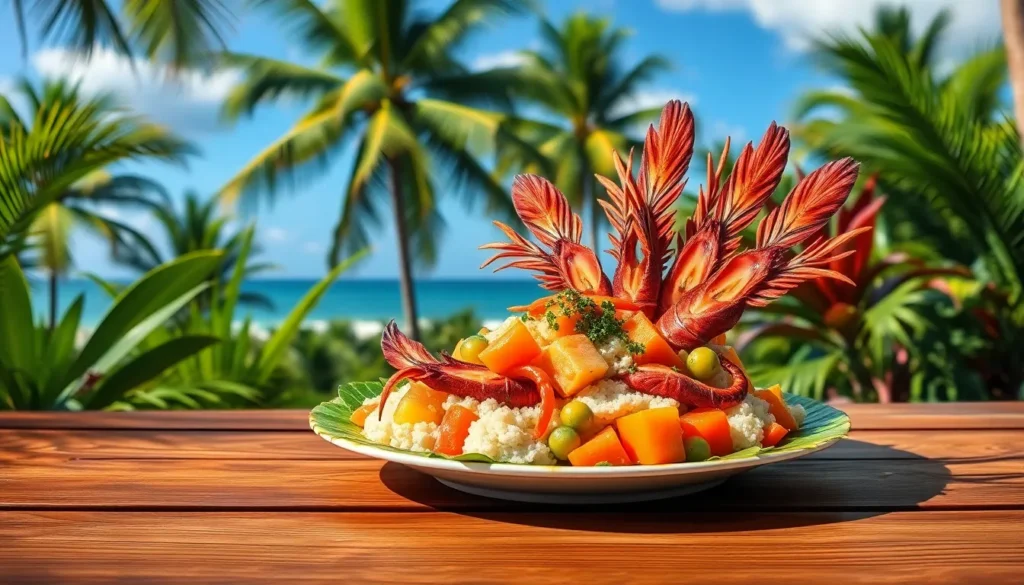
Venawato draws its origins from the diverse culinary traditions of the Pacific Islands. This dish reflects the local environment and cultural influences that shape its preparation and ingredients.
Cultural Significance
Venawato holds great cultural significance across Pacific Islands. The dish serves as a medium for social gatherings, strengthening bonds among family and friends. Traditionally, communities share venawato during celebrations, showcasing hospitality and togetherness. Communities often emphasize sustainable fishing, reflecting respect for marine ecosystems and generations of knowledge. This commitment fosters a connection to heritage, reinforcing the identity of island communities. Venawato embodies the richness of cultural heritage, making it much more than just a meal.
Evolution Over Time
Over time, venawato has evolved while retaining its core characteristics. Ingredients shifted due to globalization and changing culinary trends, introducing new flavors and elements. While traditional seafood still takes center stage, modern variations incorporate diverse vegetables and spices. Cooking methods also adapted; people increasingly explore fusion techniques while still honoring traditional practices. Regional differences in venawato highlight local tastes and available ingredients, resulting in a rich culinary landscape. This evolution showcases the adaptability and resilience of Pacific Island culture, allowing venawato to thrive across generations.
Characteristics of Venawato
Venawato stands out due to its vibrant flavors and diverse ingredients. This dish showcases an array of fresh seafood and local vegetables, creating a unique culinary experience.
Physical Attributes
Venawato typically features a colorful presentation. Fresh fish like tuna or snapper acts as the main protein, accompanied by vegetables such as taro and sweet potatoes. Coconut often enhances the dish’s texture and richness. Spices like garlic, ginger, and chili contribute to an aromatic and flavorful profile. The combination creates an appealing visual and sensory experience, inviting them to enjoy the dish together.
Uses and Applications
Shared during social gatherings, venawato emphasizes community and connection. Often served in communal settings, its preparation brings people together. Celebrations regularly feature this dish, symbolizing hospitality and togetherness among families and friends. Sustainable fishing practices associated with venawato help maintain the health of marine ecosystems. Adaptations to modern culinary trends highlight its versatility while honoring traditional roots.
The Impact of Venawato in Modern Society
Venawato plays a significant role in contemporary culture and economy across the Pacific Islands. This dish not only reflects culinary traditions but also influences local communities’ livelihood.
Economic Importance
Venawato significantly contributes to the economies of Pacific Island nations. Seafood procurement creates job opportunities, boosting local fisheries. Small-scale fishermen often rely on sustainable practices that enhance marine biodiversity while ensuring long-term profitability. Furthermore, local markets thrive as vendors sell fresh ingredients and prepared dishes, supporting food diversity. Tourism also flourishes due to visitors’ interest in authentic culinary experiences. Travelers often seek out opportunities to taste venawato, which increases revenue for local businesses. The dish’s cultural appeal attracts attention both nationally and internationally, further embedding it in the economic fabric of island communities.
Social Influence
Venawato fosters community ties and cultural identity among island residents. Frequent sharing during gatherings strengthens interpersonal relationships and creates a sense of belonging. Prepared in communal styles, venawato encourages participation and inclusiveness. Family and friends come together to enjoy the meal, making it central to celebrations and rituals. Additionally, the dish serves as a representation of hospitality, showcasing the warmth and generosity of island culture. At social events, the presence of venawato symbolizes connection and togetherness, reinforcing cultural heritage across generations. Thus, the dish transcends mere sustenance and becomes a vital element of social cohesion.
Venawato stands as a vibrant testament to the culinary heritage of the Pacific Islands. Its rich flavors and communal nature not only celebrate local ingredients but also foster connections among people. As it adapts to modern influences while preserving traditional roots, venawato continues to play a vital role in cultural identity and community bonding. The dish’s commitment to sustainability further highlights the importance of preserving marine ecosystems, ensuring that future generations can enjoy this delightful experience. Embracing venawato means embracing the spirit of togetherness and the rich tapestry of Pacific culture.