You found the number 2166001098 and now you want to know what it is, whether it’s legitimate, and how to put verified information about it to work. Numeric identifiers like this can be phone numbers, account IDs, transaction references, tax identifiers, or proprietary IDs used in research and finance. This guide walks you through common possibilities, quick verification methods, a hands-on lookup checklist, and practical ways to use validated data in accounting, investment, and market research so you don’t act on bad or incomplete information.
Table of Contents
ToggleWhat 2166001098 Could Be: Common Types Of Numeric Identifiers
Numeric strings such as 2166001098 rarely exist in a vacuum, they usually belong to a class of identifiers with predictable formats. Here are the most common possibilities to consider when you encounter this exact sequence:
-
Telephone number: In many countries, phone numbers appear as contiguous digits when stripped of formatting. For example, a U.S. number with country and area codes can look like this when punctuation is removed. Context (call logs, caller ID, SMS) helps confirm this.
-
Bank or payment reference: Banks and payment processors issue numerical references for transfers and invoices. These often appear in account statements, wire confirmations, or merchant receipts.
-
Internal account or customer ID: Companies frequently generate sequential or hashed numeric IDs for customers, orders, or projects. If you see 2166001098 on a company portal, it’s likely an internal identifier.
-
Government or tax identifiers: Some agencies issue numeric identifiers for filings, claims, or licenses. The length and digit pattern can hint at which registry it came from.
-
Database primary key / SKU / product code: In market research and product catalogs, long numbers can be SKUs or internal database keys, especially when tied to inventory systems.
-
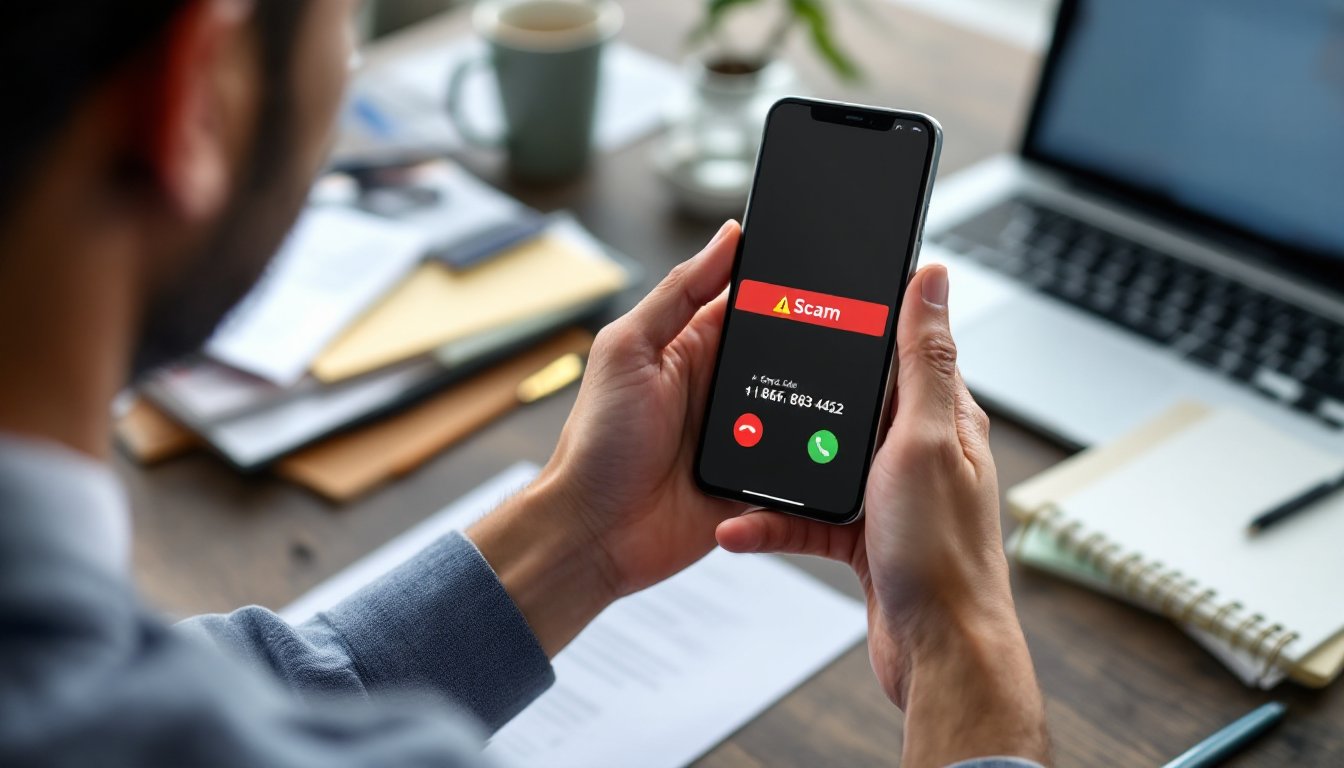
Fraudulent or spoofed number: Scammers sometimes use fabricated or spoofed sequences to mimic banks or regulators: the number alone doesn’t prove legitimacy.
How to narrow it down? Look at where you saw 2166001098: an email header, bank statement, caller ID, or web form. Each source changes the most likely interpretation. If you saw it in a call log, treat it like a phone number: on an invoice, treat it like a payment/reference. That simple contextual switch reduces wasted verification effort.
Quick Verification Methods: Where To Start
Before you jump into formal checks, do a quick triage to decide whether the identifier is benign, actionable, or suspicious. A short, methodical approach saves time and prevents overreaction.
-
Cross-check the source: If the number arrived via SMS or call, check whether the sender’s name, email domain, or origin align with what you expect. Mismatched domains or vague sender info are red flags.
-
Pattern recognition: Compare the digit count and prefix against known formats. For instance, many U.S. phone numbers are 10 digits: payment references vary widely but often include predictable prefixes.
-
Recent activity: Has this identifier shown up before in your systems? Search internal logs, CRMs, or accounting software for 2166001098: recurring presence suggests an internal reference.
-
Quick online lookups: A simple web search may reveal forum mentions, complaint threads, or registry entries tied to the number, but treat these as leads, not proof.
-
Block and monitor (for phone numbers): If the context is a suspicious call, use device-based screening and blocking to prevent further contact while you investigate. Modern smartphones include call-screening tools that can help you avoid repeat nuisance calls: for guidance on enabling these features on certain devices, consult an authoritative walkthrough.
Practical tip: collect meta-evidence, timestamp, originating IP or number, message contents, and any attached documents, before making changes in your systems. This background will be crucial if you escalate the inquiry.
Step-By-Step Lookup Checklist You Can Follow Today
Follow this concise checklist to verify 2166001098 in under an hour. Carry out steps in order and stop once you’ve achieved reliable confirmation.
- Identify the context (5–10 minutes)
- Where did you see the number? Email, call log, invoice, or web form? Note any associated names, domains, or transaction amounts.
- Internal search (10–20 minutes)
- Search your CRM, accounting ledger, support tickets, and emails for the exact string. If it matches an internal customer ID or invoice, you’re done.
- Public registry checks (10–15 minutes)
- For potential government or corporate identifiers, consult relevant registries (tax offices, company registries, trade mark lists) for matching references.
- Reverse lookups and specialized tools (10–20 minutes)
- Use reverse phone lookup services, payment reference search tools, or business database platforms depending on the suspected type. Look for consistent details like company name, address, or transaction metadata.
- Validate documents (10–30 minutes)
- If the number appears on a document, verify the document’s authenticity: check headers, letterheads, digital signatures, and contact info. Confirm with the issuing organization using contact information you obtain independently (not the contact details on the suspect document).
- Escalate if needed (ongoing)
- If verification fails or you suspect fraud, escalate to your internal compliance or legal team. For financial transactions, contact your bank immediately and freeze impacted accounts where appropriate.
Checklist caveats: never use contact details supplied by a suspicious document to validate that document. Always obtain verification contacts from an independent source (company website or official registry).
How To Use Verified Data In Accounting, Investment, And Market Research
Once you’ve verified what 2166001098 represents, you can put that data to practical use across accounting, investment analysis, and market research. Below are targeted actions for each discipline.
Accounting
- Reconciliation: Use the identifier to match bank statements, invoices, and journal entries. A verified reference reduces reconciliation discrepancies and audit queries.
- Audit trail: Attach provenance to the record, who verified the number, when, and how, to strengthen internal controls.
Investment
- Due diligence: If the identifier maps to a counterparty or transaction, include it in your diligence pack. Confirming counterparties by verified IDs prevents false positives in background checks.
- Position tracking: For trading or private placements where numeric identifiers reference deals or allocations, accuracy ensures correct NAV calculations and investor statements.
Market research
- Data aggregation: Map the identifier to product SKUs, survey IDs, or panelist accounts to consolidate datasets without duplication.
- Segmentation and tracking: Use verified IDs to track behavioral signals over time, improving cohort analyses and lifetime value estimates.
Practical workflows
- Tagging: Add standardized tags in your systems (e.g., VER:2166001098 or SRC:Invoice) so teams can instantly see verification status.
- Automation: Where possible, build a small automation to flag unverified identifiers and route them to a human reviewer. This reduces operational risk while keeping throughput high.
A short example: if 2166001098 was an invoice reference verified with the issuer, an accountant can post it against the payable and reconcile the bank transfer automatically: investors reviewing historical transactions can then rely on that reconciled trail during audits or fundraising conversations.
Conclusion
Numbers like 2166001098 are clues, not conclusions. Start with context, run focused verification steps, and then use the validated ID in reconciliations, diligence, or research. Treat suspicious appearances cautiously, document your checks, and escalate when verification fails, that disciplined approach keeps operations clean and decision-making confident.