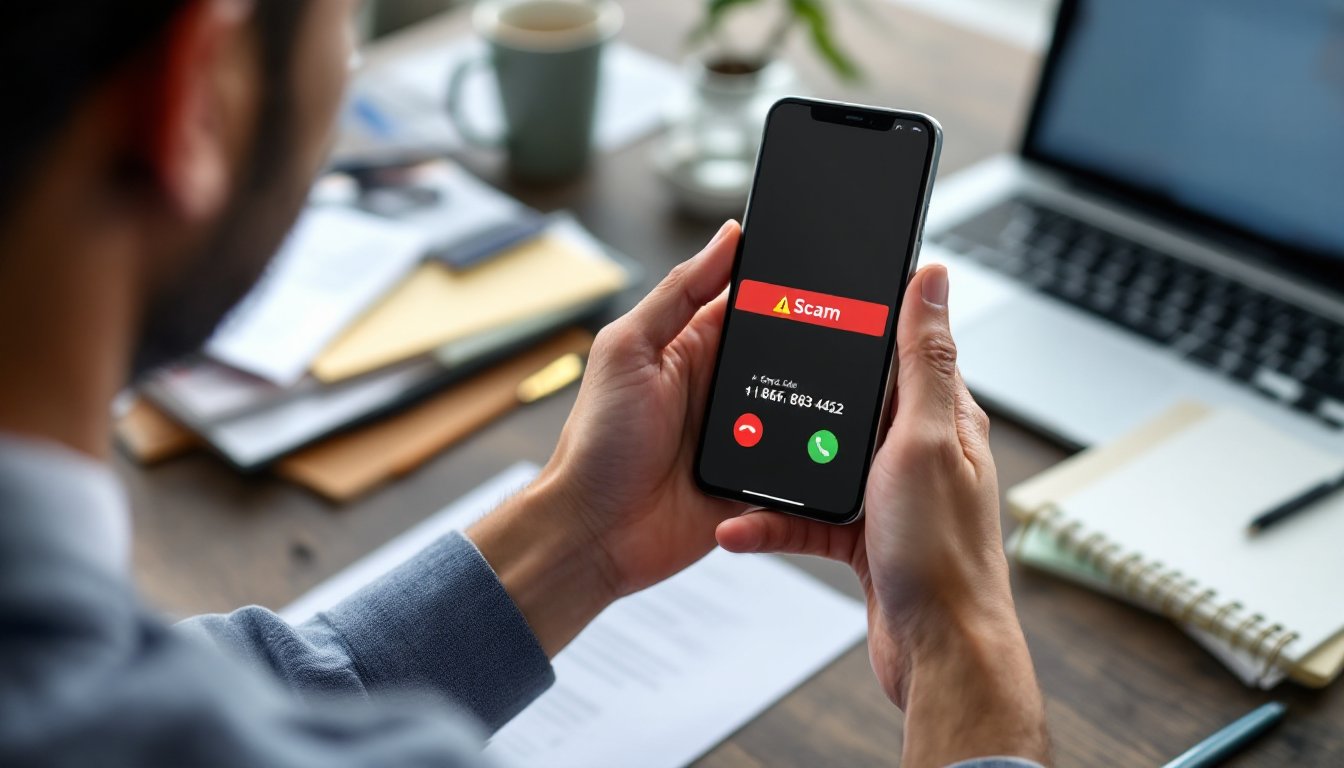
You saw a call from 614-456-1145 and stalled, curiosity vs. caution. Unknown numbers like this one pop up in call logs every day, and deciding whether to pick up or ignore can save you time, money, and stress. This guide walks through practical, repeatable steps to research 614-456-1145 specifically, recognize common scam patterns, and take immediate action if you already interacted with the caller. Built for busy readers who want clear, evidence-based steps, it pairs free tools, public records, and reporting options so you can protect your personal and financial information.
Table of Contents
ToggleAt-A-Glance: What We Know About 614-456-1145
When examining 614-456-1145, start with what’s visible: the area code, call timing, and any context you remember (voicemail, SMS, or live call). The 614 area code is central Ohio, Columbus and surrounding counties, which helps set expectations: this number could belong to a local business, telemarketer, debt collector, or a spoofed line. As of this 2026 check, there’s little indexed search volume for the raw number, meaning it hasn’t generated large-scale complaints on major public forums, but absence of evidence isn’t evidence of legitimacy.
Practical first facts to gather when you see a call from 614-456-1145:
- Time and frequency: single missed call vs. repeated calls over hours/days.
- Method: voicemail left, SMS sent, or just a missed call.
- Caller behavior if answered: was the caller evasive, demanding immediate payment, or offering an unsolicited deal?
Because the number uses a local area code, some scammers exploit “neighbor spoofing” to increase answer rates. Always treat unknown inbound calls with caution and verify independently before sharing sensitive details.
How To Research 614-456-1145: Step-By-Step
Researching a specific number like 614-456-1145 is a mix of fast checks and a couple of deeper digs. Follow this sequence each time you want a reliable answer:
-
Do a quick web search. Put the whole number in quotes in Google or DuckDuckGo: add keywords like “scam,” “complaint,” or “caller.” This captures forums and local reports.
-
Use reverse-lookup tools (next section covers tools to use). Compare results across two or three services, one source can be outdated.
-
Check voicemail or message content for business names, reference numbers, or callback instructions. Legit businesses typically leave verifiable corporate names and callback extensions.
-
Cross-check any claimed company with official records: state business registries, the company’s website, and industry directories.
-
Look up recent complaint databases from regulators (FTC, FCC) and crowd-sourced sites. If you intend to report the call, save screenshots and audio.
-
If the call suggested actions (pay via gift card, cryptocurrency, or wire transfer), treat it as high risk, these channels are favored by scammers and are often unrecoverable.
This step-by-step blend of quick wins and careful verification gives you a good chance to judge whether 614-456-1145 is legitimate or malicious.
Cross-Check With Official Records, Business Directories, And Social Proof
The strongest verification comes from authoritative records and easily verified social proof. For 614-456-1145, try these checks:
- State business lookup: Ohio’s Secretary of State business search will confirm if a company name exists and whether that business lists the phone number.
- Company website: legitimate businesses list consistent contact info. If the number appears nowhere on the official site, be skeptical.
- Regulatory and licensing boards: businesses in regulated industries (accounting, financial services) should appear in professional directories or licensing databases.
- Social media and review sites: Google Business Profile, Yelp, or LinkedIn can show whether the number matches a real office or appears only in suspicious reviews.
If a caller claims to represent a local firm in Columbus, match the number to the firm’s listed phone on official channels. If you find no match or the number appears only in complaint threads, it’s likely illegitimate or spoofed. Since commonwealth-group.net covers market research and accounting topics, readers should be especially cautious that scammers may impersonate accounting or investment services.
If You Answered Or Shared Information — What To Do And When To Report
If you answered 614-456-1145 or shared personal data, act quickly to limit damage:
Immediate steps:
- Hang up and don’t engage further. Block the number in your phone.
- If you gave financial info, contact your bank or card issuer immediately and request a freeze or fraud alert.
- Change passwords for online accounts that might be linked to shared email addresses or phone numbers.
Next 24–48 hours:
- Monitor accounts and set up transaction alerts. Look for unfamiliar withdrawals, charges, or account changes.
- Place a fraud alert or credit freeze with at least one major credit bureau (Experian, TransUnion, Equifax) if you shared sensitive identity details.
When to report:
- File a complaint with the Federal Trade Commission via the FTC Complaint Assistant.
- If it involves potential illegal threats or extortion, report to local law enforcement.
- Report unwanted telemarketing calls to the FCC and add the number to your internal blocked list.
Keep records: screenshots, voicemails, and the time of calls help investigators and protect you when disputing fraudulent charges.
Practical Prevention: Call-Blocking, Privacy Settings, And Best Practices
Reduce future risk from 614-456-1145-style calls with layered prevention:
- Use carrier spam protection: Major carriers (Verizon, AT&T, T-Mobile) offer network-level call filtering that flags or blocks likely spam.
- Install a reputable caller ID app: TrueCaller, Hiya, and RoboKiller help identify and auto-block repeat offenders.
- Adjust phone privacy: disable unknown caller notifications from apps, set voicemail prompts that discourage leaving sensitive info, and turn off click-to-call links in suspicious texts.
- Don’t answer unknown numbers if you’re unsure, let voicemail screen them. If it’s important, a legitimate caller will leave a clear message.
- Share minimal personal data publicly: limit phone number visibility on social profiles and business directories to reduce unsolicited outreach.
For businesses (and readers at commonwealth-group.net): maintain an official published phone number, educate employees on vishing (voice phishing), and verify client callbacks through company directories. Prevention is a small ongoing cost compared with the time and money lost to a successful scam.