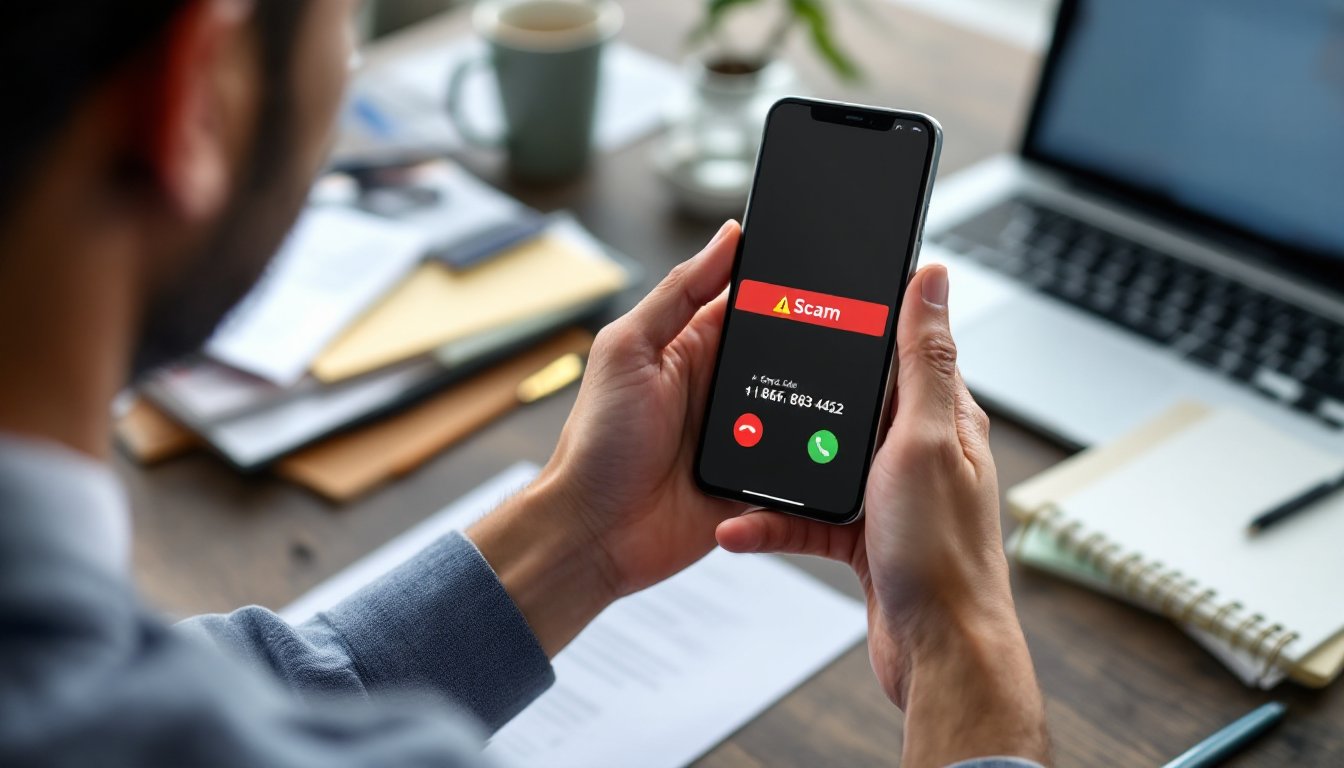
You picked up a missed call from 865‑963‑0366 and your first thought was: who was that? Unknown numbers are a daily nuisance and sometimes a real threat, especially as scammers get better at spoofing local area codes. This guide walks you through practical, low-friction ways to identify that number without answering, decide whether it’s dangerous, and take steps to protect your accounts and finances. No jargon, just the methods that work in 2026.
What Is 865‑963‑0366? Quick Overview And Possible Origins
When you see 865‑963‑0366 on your phone, it could be any of several things: a legitimate business in the Knoxville, Tennessee area (865 is the Knoxville area code), a telemarketing line, a robocall, or a spoofed number used by scammers to appear local. There’s no single public registry that ties a random 10‑digit number to one owner forever, phone numbers change hands, businesses use virtual numbers, and robocall systems can programmatically alter the displayed caller ID.
Common origins for a call from a number like this include:
- Local businesses or contractors using VoIP numbers. Small firms often rent numbers that match local area codes to increase answer rates.
- Debt collectors, surveyors, or appointment reminders, these are lawful uses but can still feel intrusive.
- Telemarketing and political call centers, which buy or lease lists and rotate outbound numbers.
- Spoofing attacks, where the caller ID is falsified so the number looks local even though the call originates elsewhere.
Because of that variety, treating unknowns like 865‑963‑0366 with cautious curiosity is the safest default. The rest of this guide explains how to identify which of the above likely applies and how to verify it without handing over personal information.
How To Identify The Caller Without Answering
You don’t have to pick up to learn something useful. Start with a calm, routine approach: look up the number, check recent reports, and validate patterns of behavior.
Tools And Resources To Trace A Phone Number
-
Reverse‑lookup directories: Use reputable phone directories and reverse‑lookup services to see if the number is tied to a business listing or a user report. Free databases will sometimes show “scam reports” or comment threads from other people.
-
Caller ID apps: Apps like those built into many smartphones or third‑party call‑filtering apps show ratings and community flags for numbers. They’re not perfect, but they surface recurring complaints quickly.
-
Search engines and social posts: Enter the number in quotes into a search engine and look for forum posts, social media complaints, or community boards reporting identical calls.
-
Official channels for verification: If the number claims to be from a bank, government office, or service provider, use the organization’s published contact information, not the number that called you, to confirm.
-
Publisher support pages: When a call references a paid subscription, verify the publisher’s help or subscription support contact before reacting: for example, some outlets maintain dedicated subscription support contact pages that list proper support channels and addresses for billing questions by phone or email. You can confirm such details on the publisher’s support pages when needed (example anchor used to verify subscription support contact).
Interpreting Lookup Results: What To Trust And What To Question
-
Repeated reports from independent sources (forums, multiple reviews) increase the chance the number is a nuisance or scam. One isolated comment is weaker evidence.
-
Business directory listings that include consistent address, website, and customer reviews suggest legitimacy. But watch for shallow or auto‑generated profiles, those can be spoofed or created by resellers.
-
If the lookup shows a VoIP provider or a generic carrier instead of a named business, that’s inconclusive: VoIP is normal, but it’s also cheap for scammers to use.
-
Beware of confirmation bias: seeing a “scam” flag once doesn’t prove every call from that number is malicious, but it does justify caution.
Combine tools rather than rely on one source. If multiple channels independently point to scam behavior, treat the caller as high risk: if reputable business listings line up, you can follow verification steps safely.
Common Scam Patterns And Red Flags Associated With Unknown Numbers
Certain behaviors repeat across scam calls. Spotting these red flags quickly will help you avoid giving away data or money.
-
Urgent threats: Scammers often claim your bank account is frozen, you owe taxes, or there’s a warrant unless you pay immediately. Real institutions rarely demand instant payment by gift card or cryptocurrency.
-
Payment pressure: Requests for payment over untraceable channels, gift cards, wire transfers, prepaid debit cards, or cryptocurrency, are almost always fraudulent.
-
Spoofed local numbers: If a caller uses a local area code but pressures you into remote actions, consider the ID may be spoofed.
-
Requests for remote access: If the caller asks you to download remote‑access software (e.g., to “fix your computer”), refuse. Legitimate tech support rarely initiates contact this way.
-
Asking for personal verification early: Genuine callers may verify identity, but legitimate businesses won’t ask for your full Social Security number, account passwords, or PIN by phone unsolicited.
-
Robocall patterns: Repeated automated calls with generic messages or silence followed by a hangup are usually mass‑dial spam.
-
Caller evasiveness: If you ask for a callback number, business address, or employee ID and the caller dodges or provides inconsistent details, that’s a strong warning.
When you see one or more of these patterns from 865‑963‑0366, escalate your caution: do not provide personal data, and consider reporting the call to your carrier and consumer protection agencies.
What To Do If You Receive A Call Or Text From 865‑963‑0366
Here’s a practical, step‑by‑step playbook you can use the next time you get that call or a text message from 865‑963‑0366.
-
Don’t answer if you don’t want to. Let it go to voicemail, legitimate callers usually leave details. If it’s urgent, they’ll try other channels.
-
Use the lookup steps above. A quick reverse lookup or search can reveal reports from other recipients.
-
Don’t call back the displayed number if the message sounds suspicious. If the caller claims to be your bank or a government office, use the official number from your bank statement or the agency’s website.
-
Avoid sharing any personal information. Never confirm your Social Security number, full birthdate, passwords, or one‑time codes unless you initiated the contact and verified the destination.
-
Block and report. Most smartphones let you block specific numbers. Report the call to your carrier’s spam reporting service and to the Federal Communications Commission or equivalent consumer agency in your country. Reporting helps carriers aggregate data and take action.
-
If you’ve shared sensitive info, act fast. Freeze credit reports, change passwords, notify your bank, and monitor accounts for unauthorized activity. Consider placing a fraud alert with credit bureaus.
-
Use technology to reduce future nuisance calls. Enable carrier spam filters, use built‑in do‑not‑disturb rules for unknown callers, and consider a reputable call‑filtering app for business lines.
-
Keep records. If the call involves financial loss or identity theft, save voicemails, texts, and screenshots. Those can be crucial when dealing with banks, law enforcement, or consumer protection agencies.
Mostly, trust your instincts: if something about the call feels off, treat it as suspicious until you can verify otherwise.
Conclusion
Calls from 865‑963‑0366 are most likely one of several ordinary (or nuisance) categories: local businesses, telemarketers, robocalls, or spoofed scam lines. Use reverse lookups, caller‑ID tools, and common‑sense verification to decide whether to engage. If a call seems fraudulent, don’t share personal data, report it, and take quick steps to protect your accounts. With a calm, consistent routine you’ll avoid the biggest risks while still responding to legitimate contacts when they matter.