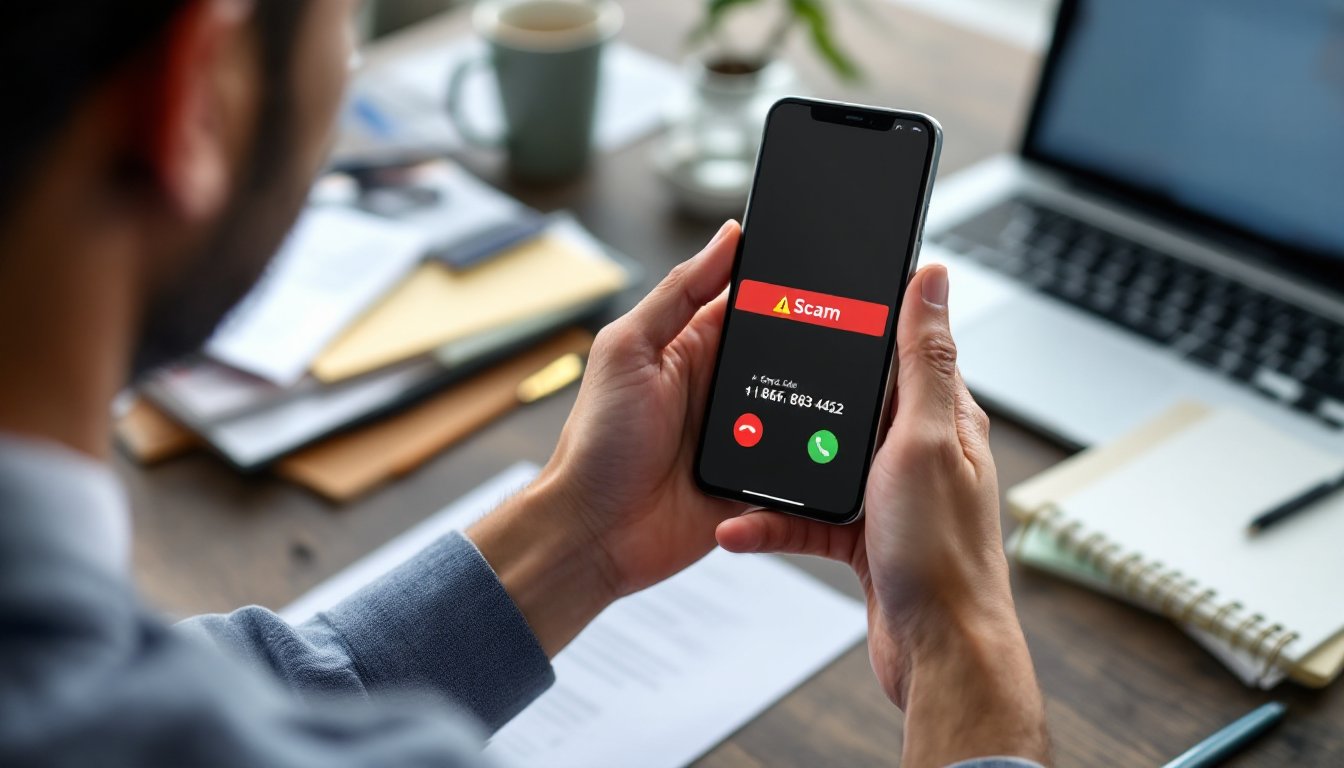
When a string like 8434298021 appears on a statement, in a ledger, or as a missed call, the immediate question for an investor or accountant is: what is it and can I trust it? This guide walks through the pragmatic steps to identify what 8434298021 might represent, quick online checks you can run, and verification techniques tailored for financial and accounting workflows. By the end you’ll have a checklist to reduce risk, confirm provenance, and decide the right next steps when an unfamiliar numeric identifier shows up.
Table of Contents
ToggleWhat Could 8434298021 Represent? Common Identifier Types And Formats
Numbers that look like 8434298021 can belong to several different identifier families. For practical triage, consider five common possibilities and a quick way to spot each:
-
Phone number (domestic or international): If formatted with country or area codes, a ten-digit sequence is often a North American number. Look for separators or leading “+” which suggest international dialing. If the number appears in call logs or voicemail metadata, treat it as a calling party first.
-
Bank reference or transaction ID: Banks and payment systems often issue long numeric references for ACH, wire transfers, and card transactions. These typically appear on statements alongside dates, amounts, and counterparty names. If 8434298021 sits next to an amount, presume a transaction reference until proven otherwise.
-
Regulatory or filing identifier: Securities filings, tax notices, and business registry entries can use numeric IDs. Examples include a local filing number or a case ID from a regulator. These usually accompany a filing type (e.g., “Form 8-K”, “notice”) and a date stamp.
-
Securities identifier (ISIN, CUSIP): CUSIPs are nine characters (often alphanumeric) and ISINs are 12 characters with letters, so a purely numeric 10-digit string is unlikely to be a standard public securities identifier. Still, private placements or internal custodian IDs can be numeric and proprietary.
-
Internal account or client number: Accounting systems, CRMs, and fund administration platforms often assign numeric client or account IDs. If you see 8434298021 in both internal reports and emails from counterparties, it’s likely an internal reference.
Heuristic checks to narrow it down: examine adjacent fields (amounts, dates, counterparty names), check formatting and separators, and ask whether the number appears only in external communications (suggesting phone or regulator) or also inside your accounting system (suggesting internal reference). This initial classification saves time and determines which verification path to follow.
Fast Online Checks To Identify 8434298021
When you need a quick answer, start with open-source and online lookup tools that often surface the identifier’s context within minutes. Below are targeted checks to run in parallel rather than sequentially to speed resolution.
Reverse Phone And Caller-ID Lookups
If 8434298021 showed up as a missed call, voicemessage CID, or SMS sender, reverse phone searches are the fastest route. Use reputable reverse-lookup services and cross-check results across multiple directories, one listing can be stale or user-edited.
Practical tips:
- Run at least two reverse-lookup services and compare labels (business name, spam/robocall flags).
- Check recent news about scam trends: voice-cloning and targeted impersonation have become more convincing, so a match to a personal name doesn’t guarantee authenticity. For context on how modern scam calls use impersonation and why skepticism is necessary, refer to a reporting piece explaining that trend.[The link supports the claim about convincing scam calls and impersonation.]
- If your organization uses device-level screening (for example, new phone features can auto-block or flag robocalls), enable those filters before returning a call.
If reverse lookup points to a business, look up that business in your company records or public directories. If it points to an individual, validate via prior correspondence or known contacts before sharing sensitive information.
Company, Registry, And Filing Searches (SEC, Business Registries, ISIN/CUSIP)
When 8434298021 appears on paperwork, payments, or filings, check official registries and filings.
Actionable steps:
- Search national business registries and the jurisdiction where the counterparty operates. Many registries allow numeric or partial-ID searches that can reveal a filing or registration tied to the number.
- For potential securities or fund references, query custodians and transfer agents that maintain internal IDs: if an ISIN/CUSIP is suspected but the format is off, ask the counterparty to provide the canonical identifier.
- For U.S. public filings, the SEC’s EDGAR system and document footers sometimes include filing control numbers: use their search tools when the number accompanies a filing mention.
If initial public-registry searches return nothing, widen the search to include tax authority portals and regional registrar indexes. Persistence matters: many corporate filings use jurisdiction-specific numbering that won’t appear in global searches unless you target the correct registrar.
Note: avoid relying on a single registry result. Cross-verify a registry match with the filing document and the reported address or officer names to ensure you’re not misattributing a similar numeric string.
Verification Techniques For Financial And Accounting Use
For accountants and investors, identification is only step one, you must verify provenance and ensure the number ties to legitimate economic activity. Use layered verification to build confidence.
-
Transaction verification: If 8434298021 is a bank reference, reconcile it against the originating bank’s remittance advice, payment confirmation, or SWIFT/MTC documentation. Ask the payer for bank-provided reference details and compare timestamps.
-
Counterparty validation: Confirm the number against contract metadata, executed agreements, or onboarding records. A KYC lookup or a quick check of signed agreements often reveals whether the number was assigned internally or externally.
-
Audit trail review: Use your accounting system’s audit logs to see when the identifier was created and by whom. Look for matching user IDs, IP addresses, or linked documents.
-
Third-party confirmations: For material transactions or suspicious items, get a written confirmation from the counterparty on company letterhead or via secure client portal. Keep confirmations in your working papers to support future audits.
-
Data integrity checks: Run pattern analysis on your ledger, if the number appears only once with no linked invoice or supporting documentation, treat it as an exception to be investigated. For recurring numbers, confirm the business purpose and standardize how such IDs are recorded in your chart of accounts.
Best practices: document every step, timestamp communications, and never release funds or sensitive data until you’ve matched the identifier to a verified source. When in doubt, escalate to compliance or legal for higher-risk items.
Tax, Bank, And Transaction Verification Tools And Best Practices
Specialized tools speed up verification and reduce manual errors. Consider the following:
-
Bank portals and SWIFT gpi: Use bank-provided inquiry tools to trace wires and confirm payment references. These systems show payment hops and can often identify the originating reference string.
-
Tax authority portals: When numbers may relate to tax notices or VAT/GST filings, check official tax portals for notices using the numeric reference.
-
Payment gateway dashboards: If the number appears on card or PSP records, the gateway’s dashboard often links to settlement batches and merchant descriptors.
-
Reconciliation software: Automate matching between bank statements and ledger entries. Rule-based matching can flag exceptions when identifiers like 8434298021 don’t map cleanly.
-
Internal control checklist: Require two-person verification for any release of funds linked to newly encountered identifiers. Maintain a secure trail for any external confirmations and store them with the transaction record.
These tools and controls protect auditors and finance teams from misapplied payments, invoice fraud, and misclassification in the general ledger.
Interpreting Results, Assessing Risk, And Next Steps
After you’ve identified and verified 8434298021, interpret the results considering risk exposure and business impact.
-
Low risk: If the number maps cleanly to an internal account, reconciles to supporting documentation, and matches contract terms, document the match and update your ledger rules so future occurrences auto-classify.
-
Moderate risk: If the number belongs to an external party but verification required a third-party confirmation, close the loop with written evidence and adjust onboarding checks to capture similar identifiers in the future.
-
High risk: If the number ties to unsolicited calls, voice-impersonation patterns, or transactions without supporting docs, freeze any action, notify compliance, and consider contacting the bank or regulator. Modern scams increasingly use voice and identity spoofing to target investors and private capital clients: treat unexpected numeric references tied to payment instructions as potential red flags.[The linked analysis supports the claim about targeted scams and impersonation.]
Practical next steps:
- Record your findings in an exceptions log with timestamps and links to supporting files.
- Notify relevant stakeholders (treasury, compliance, account owner) and recommend whether to proceed, delay, or decline the instruction.
- Update internal controls or onboarding questionnaires to capture this identifier type if it recurs.
A final note: keep a short-run playbook for common numeric anomalies, phone-originated payment requests, unfamiliar remittance codes, and registry-only identifiers. The playbook lets teams act quickly without repeating the same investigative work each time 8434298021 or similar strings show up.