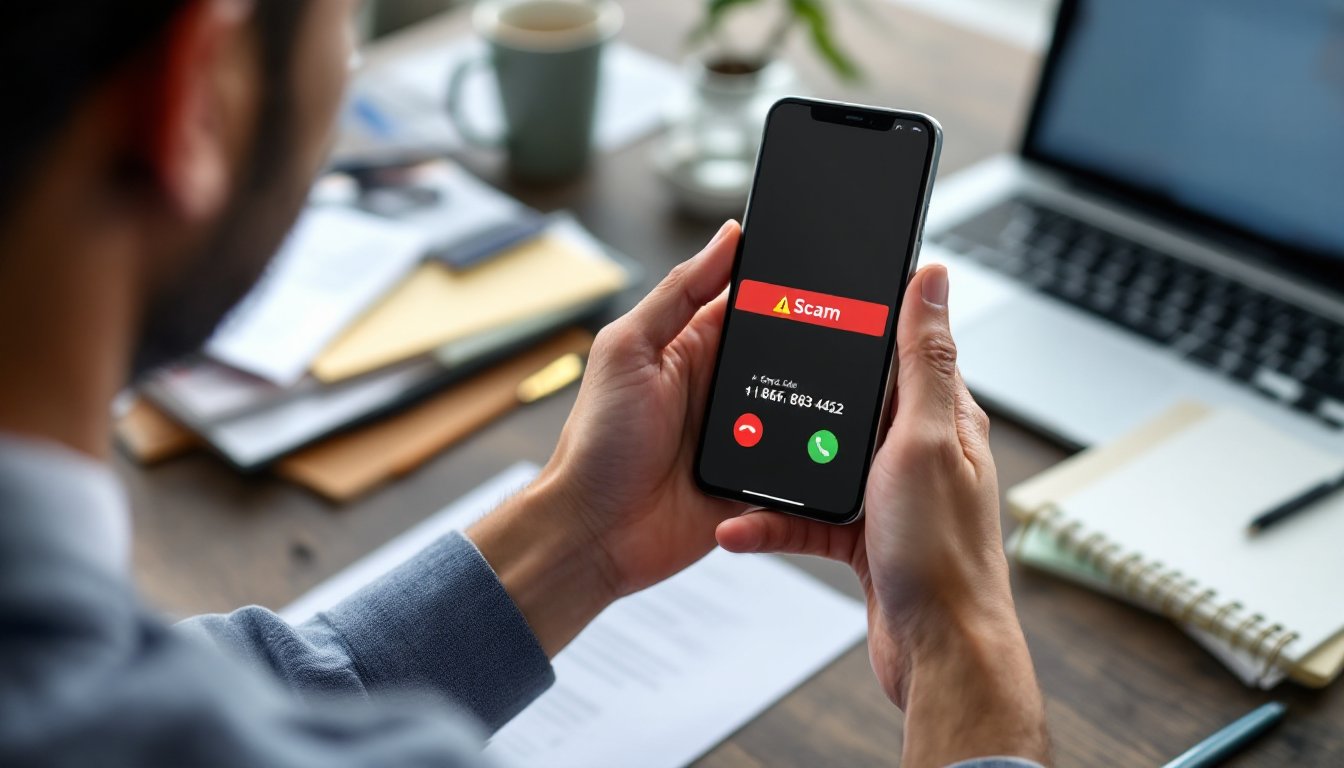
If you’ve seen 888‑823‑2160 on your phone and wondered who was calling, you’re not alone. Toll‑free numbers get reused by legitimate businesses, debt collectors, and scammers alike, and a single missed call can trigger hours of worry. This guide walks you through practical, low‑friction steps to identify whether 888‑823‑2160 is safe, how to verify the caller using public records and tools, and what to do if the number is malicious or spoofed. Read on for clear scripts, verification workflows, and reporting channels that actually work in 2026.
Who Is Calling From 888‑823‑2160? Likely Sources And Context
Numbers that begin with an 888 toll‑free prefix are frequently used by legitimate businesses, customer service departments, and financial organizations. When you see 888‑823‑2160, the likely sources to consider first are:
- Legitimate creditors or collections agencies contacting about an account. Toll‑free numbers are standard in collections because they present a professional front and are easier to track.
- Corporate customer service lines for banks, utilities, or subscription services that route calls through a centralized call center.
- Third‑party vendors: payment processors, debt buyers, or legal offices that manage outreach for a primary company.
- Scammers and spoofers who deliberately display an 888 number to appear credible.
Context matters. If you recently interacted with a company, submitted a loan application, missed a payment, or requested a callback, 888‑823‑2160 may be related. If the call came out of the blue claiming urgent action (threats of arrest, immediate payment demands, or pressure to move money instantly), treat it as suspicious.
Quick heuristics to triage: did the caller use your name and provide account details you recognize? Did they offer verifiable contact channels (company website, employee name, reference number)? Did they demand unusual payment methods like gift cards, cryptocurrency, or wire transfers? Answering those questions will narrow whether 888‑823‑2160 is likely legitimate or malicious.
How To Verify 888‑823‑2160 Using Reverse Lookup And Public Records
Verifying a toll‑free number requires gathering evidence from multiple public sources rather than trusting a single result. Start with a reverse lookup and then confirm using public records tied to businesses and regulatory filings.
Step‑By‑Step Reverse Lookup Workflow
- Note call details: date, time, caller ID text, any callback number, and what the caller claimed. This matters if you escalate later.
- Do a basic web search for “888‑823‑2160” in quotes to find forums, complaint boards, and business directories where that exact string appears.
- Run a carrier lookup through a reliable service to see which carrier issued the number and whether it’s hosted on a VoIP provider (VoIP hosting is common with spoofing). A hosted/VoIP result isn’t proof of fraud, but it’s a flag.
- Cross‑reference with business registrations: search the phone number inside state corporate registries or on the company’s official contact page if a business name is provided.
- If the caller claims to be a debt collector, request written validation by mail: use the phone number only to ask for the validation notice’s mailing address and reference number.
- If public searches don’t corroborate the caller’s claim, treat the call as unverified and escalate by blocking or reporting.
Best Tools: Search Engines, Carrier Lookups, And Caller‑ID Apps
- Use mainstream search engines for the first pass, they surface user reports and business listings quickly.
- Carrier and line‑type lookup tools reveal whether a number is fixed‑line, mobile, or VoIP: this helps spot numbers provisioned by mass‑calling services.
- Caller‑ID apps and community directories (with active moderation) aggregate user reports about nuisance calls and can show patterns for 888‑823‑2160.
- For privacy and data removal questions that surface during lookup (for instance, if your details are in a broker’s database), resources that explain data broker removal are helpful when you need to limit future inbound contact. what internet data brokers have on you explains how brokers collect and how to opt out.
Putting these pieces together gives you a confidence level: confirmed (multiple official references), likely (carrier match + consistent business listing), or suspicious (no corroboration + pressure tactics). Keep records of the steps you took, these notes are useful if you later report the number to regulators or your carrier.
Common Scams, Spoofing Tactics, And Red Flags For 888 Numbers
Toll‑free numbers like 888‑823‑2160 are attractive to scammers because they can look official on caller ID. Common scam patterns to watch for include:
- Spoofing reputable organizations: Scammers manipulate caller ID to display numbers that mimic banks, government agencies, or national hotlines.
- Impersonation with urgency: Threats of legal action, arrest, or immediate foreclosure if you don’t pay now.
- Payment‑method pressure: Requests for gift cards, cryptocurrency, preloaded debit cards, or wire transfers, classic signs of fraud.
- Data‑harvesting scripts: Callers ask leading questions to extract identity details they can later use for account takeover.
- “Callback verification” traps: The caller asks you to dial a provided number to verify identity, but the line connects back to a fraud ring.
Because AI and voice‑synthesis tools have become widely available, scammers now employ convincing deepfakes and personalized scripts to build trust. Recent reporting shows fraudsters increasingly target high‑value financial clients with identity impersonation and tailored pitches: that trend explains why extra verification is necessary even when a call looks polished. AI‑enabled scam reporting documents how attackers use impersonation to bypass simple checks.
Red flags specific to 888 numbers: the number appears on complaint boards with similar scripts: the caller refuses to provide a physical mailing address: or they insist you confirm account or social security information over the phone without prior contact. If you encounter multiple red flags, treat 888‑823‑2160 as hostile.
How To Respond: Safe Scripts, Blocking, And Reporting Steps
If you’re unsure whether 888‑823‑2160 is legitimate, follow this layered response: verify, minimize risk, then escalate as needed.
- Immediate safe script (use when on the call)
- “I’m sorry, I don’t provide personal information by phone. Please send that request in writing to my mailing address.”
- “Can you give me a company name, physical address, and a reference number I can verify? I’ll call back after checking.”
These lines pause the pressure and move the interaction into verifiable channels.
- If they insist or threaten
- End the call. Don’t argue. Note the time and any spoken details, then block 888‑823‑2160 on your device.
- Blocking and technical options
- Block at the device level and consider carrier‑level blocking for persistent calls. Many carriers offer spam filtering and the ability to route suspected spoofed numbers to voicemail.
- Register unwanted calls with the national Do Not Call list (if applicable to your country) and use your phone’s spam filter features.
- Reporting
- Report the call to your carrier and local consumer protection agency so patterns tied to 888‑823‑2160 are tracked.
- If the caller claimed to be a debt collector and used abusive tactics, file a complaint with the federal agency that handles debt collection practices in your country.
- For business owners who receive a suspicious call tied to payments or investor outreach, preserving call notes and reporting to industry regulators helps reduce fraud for others.
- Recovery steps if you gave information
- Freeze credit and monitor accounts for unusual activity.
- Change passwords and enable multi‑factor authentication on affected accounts.
- Contact your bank immediately for unauthorized transactions and consider a fraud alert with major credit bureaus.
Using calm, recorded‑evidence steps reduces harm and creates a traceable paper trail if you need to pursue remediation.
Conclusion
Seeing 888‑823‑2160 on your screen isn’t automatic proof of danger, but it is a prompt to verify. Use a quick reverse lookup, ask callers to validate in writing, and rely on carrier tools and public records before you share sensitive data. When in doubt, block, report, and document, those small steps protect your money and identity and help stop repeat offenders.