
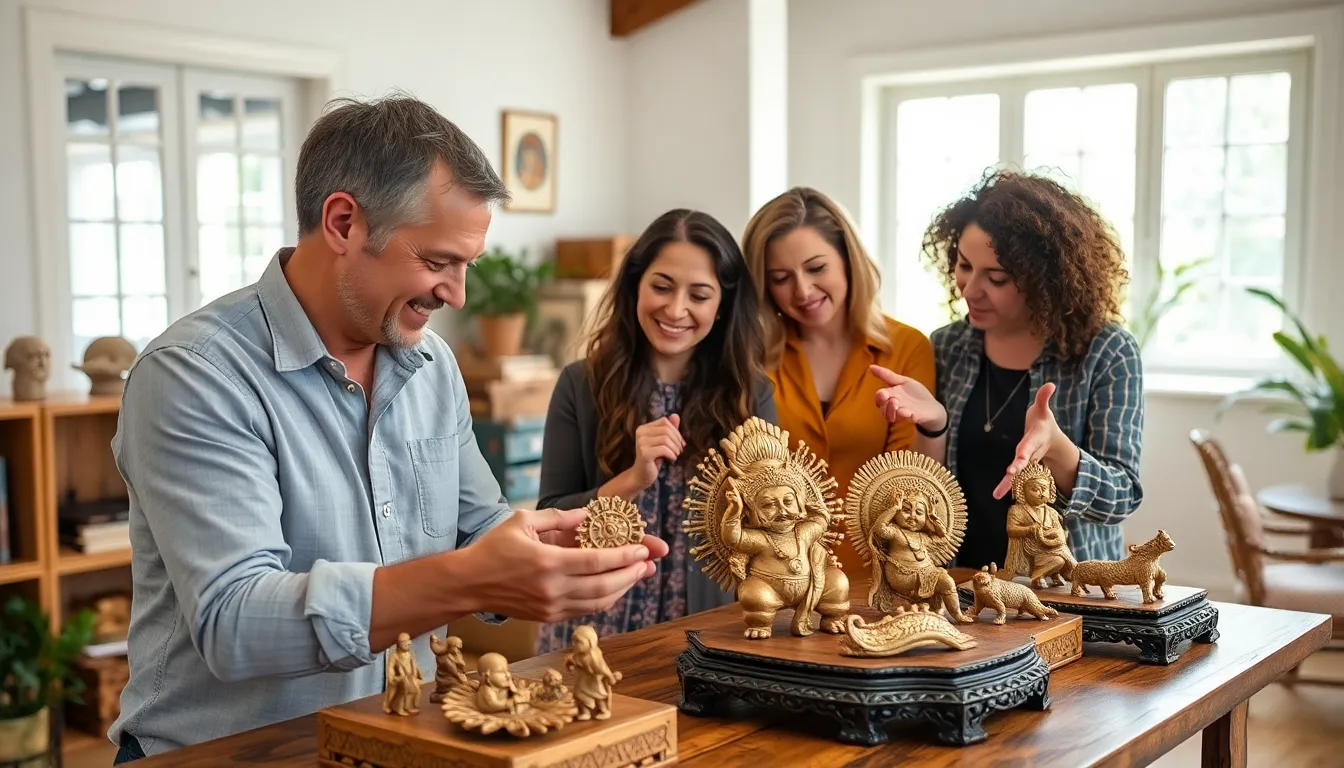
In a world overflowing with trends and fads, spotting a fake labubu can feel like hunting for a needle in a haystack. With so many imposters lurking around, it’s crucial to sharpen those detective skills. After all, no one wants to be the proud owner of a labubu that’s more “meh” than marvelous.
Understanding Labubu
Labubus represent a unique item sought by collectors and enthusiasts. Knowing how to differentiate fake labubus from genuine pieces requires awareness of specific characteristics.
What Is a Labubu?
A labubu refers to a distinctive collectible known for its intricate design and craftsmanship. Unique materials often characterize authentic labubus, providing a tangible sense of quality. Original labubus may display detailed artistry, which adds to their appeal. Each one holds cultural significance, indicating the tradition behind its creation. Many collectors seek labubus for their aesthetic value and historical context.
The Importance of Identifying Authenticity
Identifying authenticity proves crucial in the world of labubus. Counterfeit items can lack the craftsmanship and quality that define real labubus. Protecting investment by confirming authenticity prevents disappointment after purchase. Genuine labubus often appreciate in value over time, making them a sound investment choice. Knowing the key traits of authentic labubus ensures informed decisions for collectors and buyers alike.
Common Characteristics of Fake Labubu
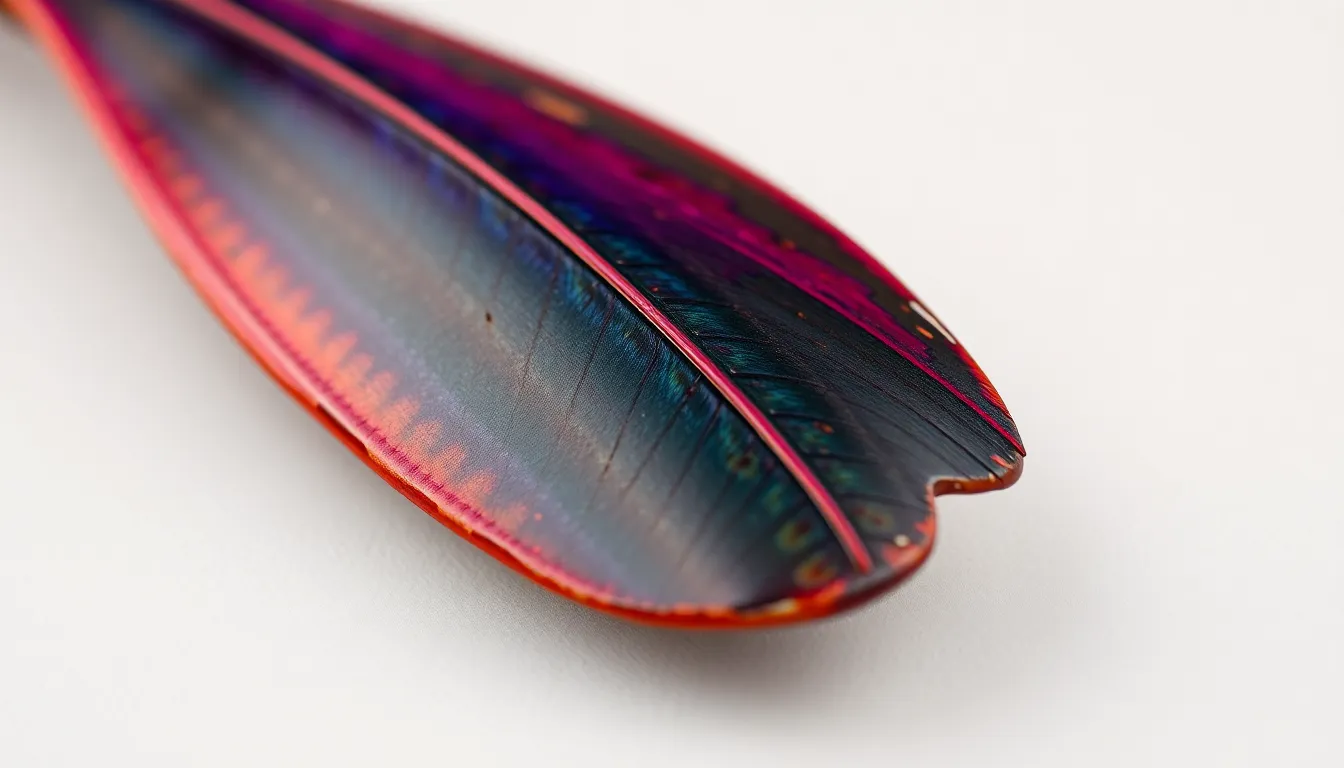
Identifying a fake labubu involves understanding its distinctive traits. Collectors can save time and money by learning these characteristics.
Physical Appearance
Fakes often exhibit poor craftsmanship. Genuine labubus boast intricate detailing and precise features. Colors may appear off, lacking the depth found in authentic pieces. Authentic labubus display vibrant hues that reflect quality material and skillful artistry. Shape variations also indicate a counterfeit; fake labubus may have uneven contours or flaws in design. Pay attention to the weight too; a lighter labubu might not be genuine, as authentic variants tend to use dense, quality materials.
Material Quality
Material plays a significant role in authenticity. Genuine labubus often consist of high-quality woods, ceramics, or metals. Fakes frequently use inferior materials that diminish overall aesthetic value. Inconsistent texture is another indicator; authentic pieces maintain a smooth, refined surface. Moreover, the presence of gloss or shine in the wrong places can suggest a fake. Collectors should also consider odor; genuine labubus often have a natural scent, while counterfeit items may emit chemical odors due to low-grade materials.
Methods to Verify Authenticity
Collectors need reliable methods to verify the authenticity of labubus. Applying specific techniques can make this task easier.
Visual Inspection Techniques
Inspecting the labubu visually is the first step. Look for intricate detailing that characterizes authentic pieces. Genuine labubus exhibit consistent colors and patterns; discrepancies can indicate fakes. Check for uniform contours; uneven shapes often suggest inferior craftsmanship. Observing the finish is important as well; authentic items boast a polished, smooth surface. Examine the overall proportions; an imbalance can signal a counterfeit.
Testing for Quality
Assessing the quality of materials is crucial for verification. Authentic labubus utilize high-grade woods, ceramics, or metals, each contributing to durability. Weigh the piece; genuine items typically feel heavier due to quality materials. Conduct a smell test; authentic labubus possess natural scents, while fakes often emit chemical odors. Tactile examination provides additional insights; a consistent texture indicates authenticity. Engage with knowledgeable sources; they can provide insights into material characteristics that distinguish genuine labubus.
Resources for Researching Labubu
Researching labubus requires access to reliable resources. Collectors can utilize various platforms to enhance their understanding of authenticity.
Online Communities and Forums
Online communities and forums offer invaluable insights. Members often share experiences and knowledge about identifying genuine labubus. Engaging in discussions can lead to practical tips for spotting fakes. Popular platforms include Reddit, Facebook groups, and collectible forums where enthusiasts exchange information. Users frequently post images for feedback, allowing for real-time evaluations. Participating in these groups fosters a community of shared learning. Contributions from seasoned collectors further enrich the knowledge base. Exploring archives in these forums can reveal common pitfalls to avoid when purchasing labubus.
Official Brand Websites
Official brand websites serve as primary sources for verifying authenticity. Authentic labubu manufacturers typically provide details about their craftsmanship and material specifications. Such information assists collectors in making informed decisions. Buyers should examine the brand’s history, which often highlights key traits of genuine pieces. Authentic websites present galleries of their products, showcasing intricate details collectors can reference. Comprehensive guides outlining product care and distinguishing features may also be available. Ensuring awareness of authorized retailers prevents the likelihood of purchasing counterfeit items. Utilizing these resources bolsters confidence while navigating the collection landscape.
Navigating the world of labubus can be daunting with the prevalence of counterfeits. By honing observation skills and employing the techniques outlined, collectors can confidently distinguish genuine pieces from fakes. Authentic labubus not only serve as valuable collectibles but also as representations of culture and craftsmanship.
Utilizing reliable resources and engaging with knowledgeable communities will further enhance a collector’s ability to make informed decisions. Ultimately, the pursuit of genuine labubus enriches the collecting experience and ensures that each piece holds its true value.

