
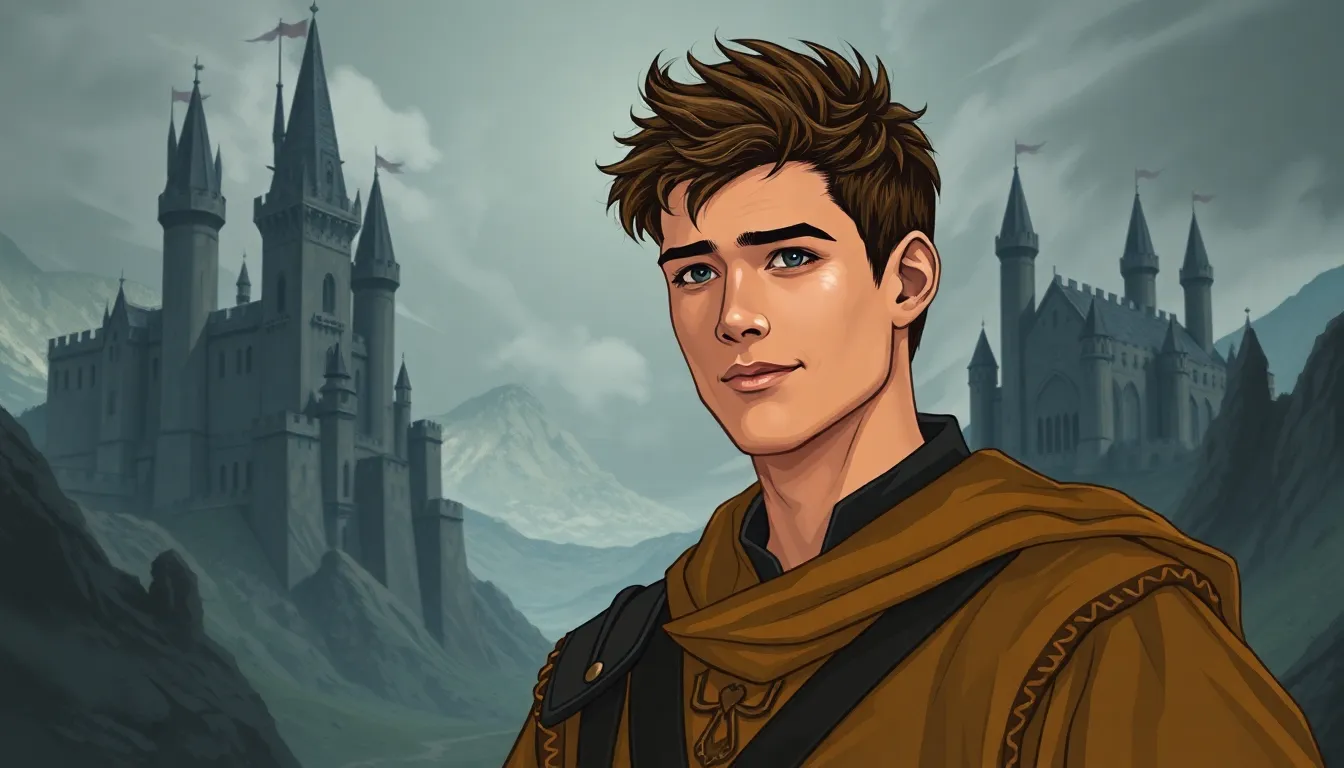
Hugh from House of the Dragon is the character everyone’s talking about, and for good reason. With his charm and wit, he’s not just another face in Westeros; he’s the kind of guy who can make dragon fire seem like a cozy campfire. Fans are captivated by his journey through the treacherous politics and fiery battles of the realm.
Overview of Hugh House of the Dragon
Hugh’s character in “House of the Dragon” captivates audiences with his unique blend of charm and wit. Many fans appreciate his ability to diffuse tension in perilous situations, making him relatable despite the intense backdrop of Westeros. Engaging storytelling highlights his journey through the realm’s intricate politics and fierce battles.
Drafted as a compelling figure, Hugh stands out among other characters for his intelligence and charisma. He navigates complex alliances and rivalries, showcasing a strategic mind that resonates with viewers. Each encounter adds layers to his character, displaying resilience and adaptability.
Famous for moments that reveal his layered personality, Hugh often finds himself at the intersection of loyalty and ambition. His choices influence not only his fate but also impact those around him, making every decision critical within a larger narrative. Audiences witness his evolution as he grapples with the consequences of his actions.
Significant interactions with prominent characters further develop his role in “House of the Dragon.” Friendships and adversarial relationships shape his experiences, illustrating the depth of his character. Every scene featuring Hugh contributes to the ongoing intrigue of the storyline.
As the series unfolds, Hugh’s journey remains a focal point, drawing fans deeper into the lore of Westeros. Character development and plot progression intertwine, solidifying his place in the narrative. With each twist and turn, Hugh embodies the complexities of human nature in a fantastical setting, holding viewers’ attention throughout the series.
Key Characters and Their Development
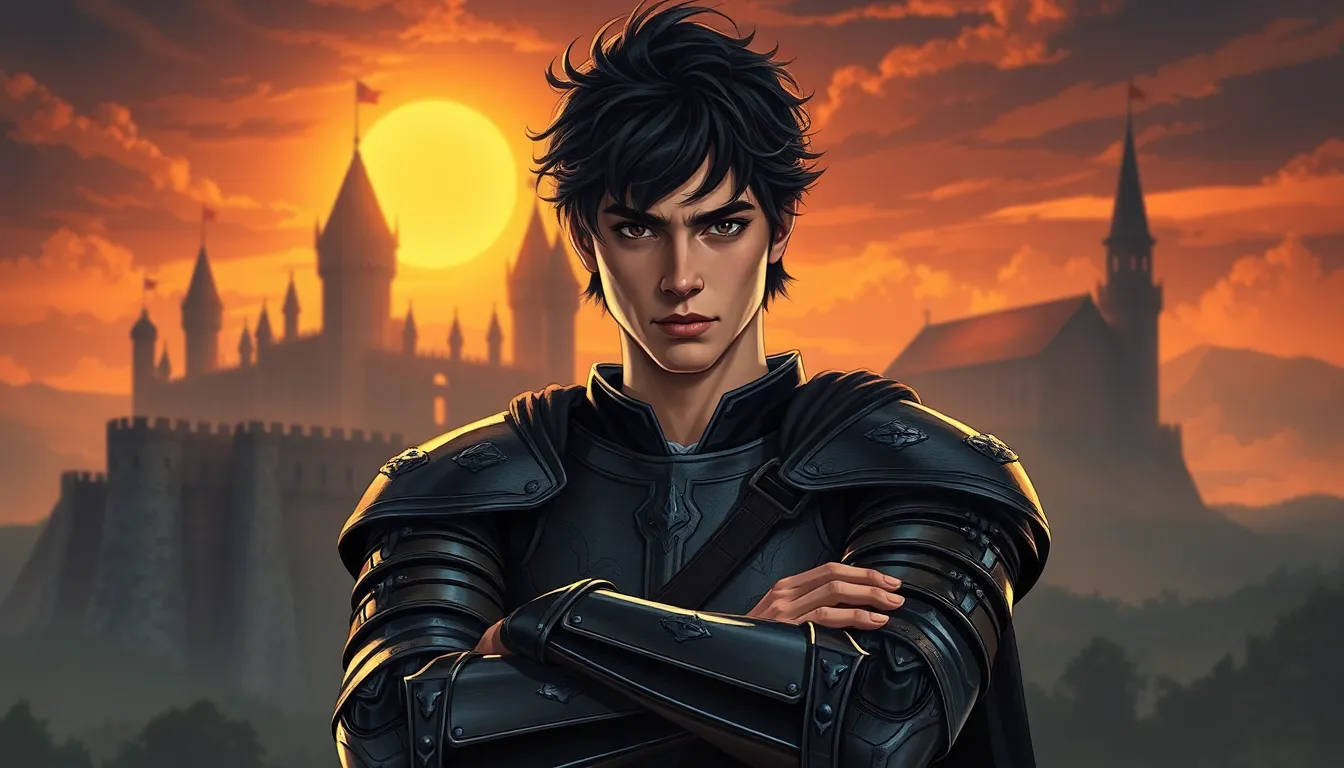
Hugh stands out among the characters in “House of the Dragon” through his dynamic interactions and evolving relationships. His journey reveals the complexities within the narrative.
Protagonists
Hugh embodies the qualities of a compelling protagonist. His intelligence and charisma resonate throughout the series, drawing attention from both allies and enemies. Significant developments arise from his alliances with key figures such as Rhaenyra Targaryen, whose ambitions align with his strategic mind. They share crucial moments where trust becomes paramount, enhancing their mutual goals. Furthermore, Hugh’s resilience shines when faced with numerous challenges, showcasing his ability to adapt and overcome obstacles. Viewers witness his growth as he learns the importance of balancing loyalty and pragmatism. This evolution mirrors the broader themes of ambition and morality within the story.
Antagonists
Antagonists in “House of the Dragon” frequently challenge Hugh’s ideals and decisions, pushing his character to new heights. Characters like Aegon II Targaryen provide formidable opposition, embodying the ruthless nature of the realm’s politics. Their confrontations reveal Hugh’s capacity to navigate conflict while maintaining his core values. Tension escalates as rivalries develop, forcing Hugh to confront the darker sides of his personality. Additionally, interactions with characters like Otto Hightower illustrate the intricate power dynamics at play. Incremental character threats from these antagonists spur Hugh’s determination, solidifying his role in the overarching narrative. Fans appreciate this complexity as it deepens the exploration of loyalty and betrayal, enriching the plot’s tension.
Major Themes in Hugh House of the Dragon
Hugh’s journey in “House of the Dragon” explores deep themes that resonate within the complex narrative of Westeros. Characters experience personal growth and moral dilemmas that reflect the larger conflicts at play.
Power and Betrayal
Power dynamics shape Hugh’s interactions throughout the series. Alliances often mask ulterior motives, creating a landscape where betrayal lurks around every corner. Characters like Aegon II Targaryen test Hugh’s resolve and challenge his ambition. Each time he faces these adversities, his character reveals layers of resilience and strategy. Navigating treachery becomes essential for his survival, showcasing the intricate balance between authority and loyalty. Thus, Hugh’s decisions impact not just his fate but also those tied to him, illustrating the profound implications of power in the realm.
Family and Legacy
Family ties significantly influence Hugh’s choices and ambitions. The weight of legacy shapes his actions, underscoring the importance of bloodlines in a world defined by dynastic struggles. Relationships with figures like Rhaenyra Targaryen reflect a commitment to shared goals and mutual support. These bonds highlight the intricacies of loyalty and expectation within familial ties. As Hugh grapples with the responsibilities of legacy, he faces the challenge of defining his own path. Balancing personal desires against family obligations becomes a central theme in his development, demonstrating how legacy shapes identities across generations.
Production and Visual Effects
The production of “House of the Dragon” combines cutting-edge techniques with traditional craftsmanship. Visual effects play a critical role in bringing Westeros to life, with the creation of dragons and expansive landscapes captivating viewers. Each episode showcases meticulous attention to detail, ensuring that both characters and settings resonate with authenticity.
Processes involve state-of-the-art CGI, practical effects, and intricate makeup designs. Visual effects teams collaborate closely with directors and cinematographers, creating a harmonious blend of reality and fantasy. The experience of filming allows for authentic performances, further enhanced by realistic effects that immerse the audience.
Locations throughout the UK serve as stunning backdrops, enriching the series’ visual storytelling. Historic sites and breathtaking landscapes contribute to the narrative’s depth, providing a visual feast that complements the drama unfolding on screen. The integration of real-world locations with special effects generates a seamless transition between various realms within the storyline.
Shadowy caves, towering castles, and vast battlefields form iconic visuals central to character arcs. Engagement is heightened through these dynamic settings, as characters like Hugh navigate challenging terrains. Intricate design choices reflect the series’ commitment to creating a believable world where fantasy meets reality.
Into the technical aspects, meticulous planning ensures high production value. Every scene undergoes rigorous storyboarding and pre-visualization, allowing teams to optimize visual engagement. For example, the dragon sequences are crafted with awe-inspiring detail, showcasing powerful imagery that leaves a lasting impression.
Overall, the visual presentation serves to enhance the narrative, making the viewing experience memorable. Each frame bursts with artistry and innovation, embodying a narrative rich in intrigue and spectacle.
Reception and Impact
Hugh’s character in House of the Dragon garnered significant attention from both audiences and critics. Viewers appreciate his charm and wit, viewing him as a refreshing presence amidst the series’ darker themes. Critics highlight his ability to navigate high-stakes situations with both intelligence and charisma, strengthening his appeal.
Fan engagement increased as Hugh’s journey unfolded over the episodes. Many discussions on social media platforms focus on his evolving relationships, particularly with key figures like Rhaenyra Targaryen. His interactions underscore loyalty’s complexities, drawing fans deeper into the narrative.
The impact of Hugh’s character extends beyond entertainment. Audience analyses reveal how he embodies broader themes of power and betrayal. His struggles resonate with viewers, stimulating conversations about ambition, morality, and the choices shaped by familial influence. These discussions are pivotal, with many seeing Hugh’s moral conflicts as reflective of real-world dilemmas.
Production quality significantly contributed to Hugh’s reception. Visual effects and set designs captured Westeros’s richness, engaging audiences further. Iconic landscapes and meticulously crafted environments enhance the viewing experience, creating a vivid backdrop for Hugh’s narrative journey.
Critical acclaim also emphasizes the character’s depth. Critics note how Hugh’s progressive journey invites deeper character exploration, contributing to the series’ overall narrative strength. As fans anticipate future episodes, the influence of Hugh’s story arcs continues to shape discussions about character development within fantasy genres.
Hugh’s role in House of the Dragon illuminates the intersection of character and impact. His journey remains a key element influencing audience perception of the series, ensuring it resonates across demographic lines.
Hugh’s journey in “House of the Dragon” captivates audiences with its blend of charm and complexity. His ability to navigate the treacherous waters of Westeros showcases not just his intelligence but also his resilience in the face of adversity. As viewers delve deeper into his character, they find a rich tapestry of relationships and moral dilemmas that resonate throughout the series.
The interplay of power and loyalty within Hugh’s story adds layers to the narrative, inviting fans to engage in discussions about ambition and betrayal. With stunning visuals and intricate storytelling, Hugh’s character continues to shine, making him a pivotal figure in the unfolding drama. As the series progresses, audiences eagerly anticipate how his evolving relationships will shape the fate of Westeros.

